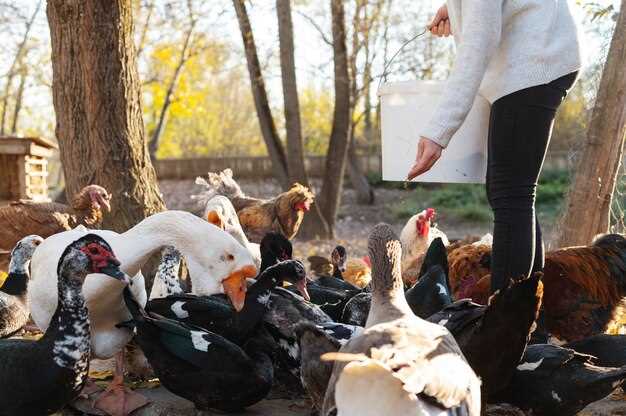
As the hunting season progresses into its later stages, understanding the nuances of effective decoy placement becomes crucial for successful duck hunting. The behavior of ducks changes as the season wanes; they become more discerning and warier of unnatural movements. Thus, adopting a strategic approach to using decoys can significantly enhance your chances of attracting these waterfowl.
In late-season scenarios, the environmental factors such as food availability and weather conditions play a pivotal role in duck behavior. Many ducks tend to congregate near reliable food sources, so positioning your decoys near these hotspots is essential. Employing a mix of species and types of decoys can create an inviting scene that mimics the natural gatherings of ducks in the area.
Additionally, adjusting the spacing and arrangement of your decoys is vital. In late-season, it’s often beneficial to spread decoys out rather than clustering them tightly. This more realistic setup can help to convince even the most cautious ducks to approach your setup. Understanding these late-season dynamics will elevate your hunting experience and improve your overall success rate.
Choosing the Right Decoy Types for Late Season
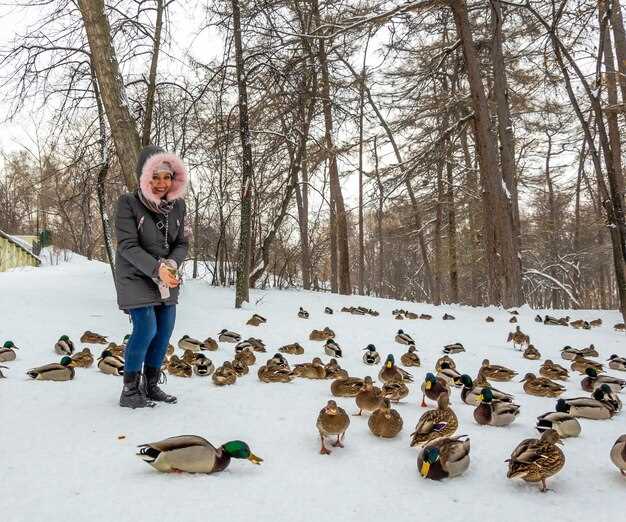
As the late season approaches, waterfowl become more discerning and cautious, making the right decoy strategy critical for successful duck hunting. Selecting the appropriate types of decoys can significantly influence your chances of attracting these wary birds.
Generally, two primary types of decoys are effective in late season: stationary and motion decoys. Stationary decoys, often more realistic in appearance, can effectively mimic the natural look of a group of ducks resting on calm waters. These decoys should be strategically placed in areas where ducks typically land, ensuring they look inviting to incoming flocks.
On the other hand, motion decoys create a visual stimulus that can attract ducks from a distance. These decoys, often equipped with spinning wings or movement mechanisms, imitate the action of feeding or landing birds. This movement can be particularly enticing for late-season ducks, which may be searching for active feeding spots amidst increasingly scared wildlife. Combining both types of decoys in your spread can maximize effectiveness, as the motion draws attention while the stationary decoys provide realism.
When choosing specific types of decoys, consider the species you are targeting. Mallards, for instance, generally respond well to both drake and hen decoys, creating a balanced representation of a natural flock. Additionally, employing a mix of species can add variability to your spread, making it less predictable and more appealing to cautious late-season ducks.
Lastly, the color and condition of your decoys play a vital role. Ensure your decoys are clean and properly painted, as dirt and wear can diminish their effectiveness. Opt for colors that match the late-season environment, keeping in mind that water clarity and lighting conditions can affect how ducks perceive your setup.
Placement Techniques to Attract Ducks in Cold Weather
When hunting in cold weather, effective decoy placement is crucial for attracting ducks. As temperatures drop, ducks can become more cautious and selective. Understanding their behavior in these conditions can enhance your success.
Firstly, consider using fewer decoys in colder months. A sparse spread can make it appear more natural, mimicking the behavior of local birds. This approach can entice wary ducks as they are often more interested in groups that look like they are foraging or resting rather than massive assemblies.
Additionally, focus on strategic positioning. Placing a small cluster of decoys on the downwind side can simulate a natural landing scenario where ducks feel safe approaching. Ensure that the decoys are spaced out enough for ducks to land comfortably, as they are less likely to approach if they feel crowded.
In cold conditions, water movement plays a pivotal role. If possible, position your decoys in areas where water is moving, such as near flowing streams or where wind creates surface ripples. Ducks are drawn to these areas as they signal food sources and safety.
Utilize natural cover effectively. Ensure that your decoy spread is integrated into the surrounding environment, such as reeds, grass, or small islands. This reduces the visibility of both yourself and your setup, making it easier for ducks to approach without feeling threatened.
Lastly, adapt your decoy selection based on the species you are targeting. In colder months, dabbling ducks may prefer certain colors and types of decoys. Experiment with realistic hen and drake decoys to create an inviting scene that reflects their natural behavior during late-season hunting.
Adjusting Decoy Movements to Mimic Natural Behavior
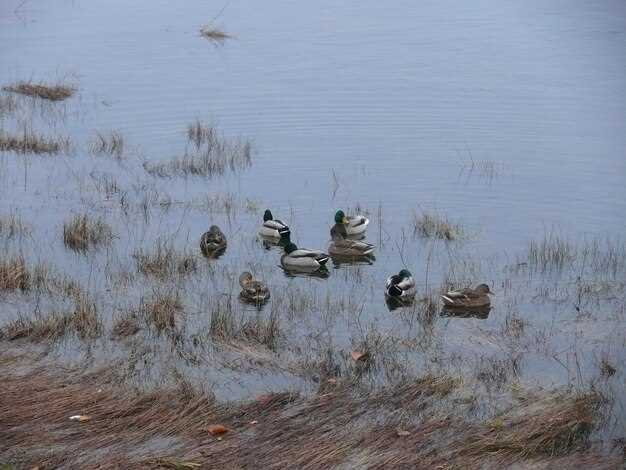
To effectively attract ducks during late-season hunting, it’s crucial to carefully adjust decoy movements to reflect the natural behavior of live ducks. This strategy not only increases visibility but can also enhance the overall realism of your setup.
Here are some techniques to mimic natural duck movements with your decoys:
- Water Movement: Use motion decoys or weighted swim decoys that can create ripples in the water. This can simulate a duck’s natural swimming behavior and draw attention from afar.
- Feeding Position: Arrange decoys in a feeding posture. Orient them at various angles to mimic ducks foraging and bobbing their heads, creating an inviting atmosphere for incoming birds.
- Pairing Dynamics: Place drake and hen decoys together. Ducks often travel in pairs; ensuring that your arrangement reflects this can make your spread look more appealing.
- Wing Movement: If possible, incorporate wing-flapping decoys to imitate the localized flapping of ducks landing or taking off. This can captivate attention and trigger the instinct to approach.
Additionally, consider the following behaviors to replicate with your decoys:
- Group Dynamics: Position decoys in clusters instead of having them spaced out. Ducks often gather in groups, and this will create a more inviting scenario.
- Drifting: Allow a few decoys to move with the current if hunting in a river or pond. This gives the impression that the ducks are naturally navigating through their habitat.
- Resting and Preening: Incorporate decoys in resting positions to simulate a peaceful setting. Including subtle movements, such as head bobbing or preening, can make the scene more dynamic.
By adjusting the movements of your decoys to reflect natural behaviors, you can create a more convincing setup that attracts ducks effectively, enhancing your chances for a successful hunt.