When preparing for a successful turkey hunting experience, the setup of your ground blind is a critical factor that can significantly enhance your chances of success. Properly positioning your blind not only aids in concealment but also ensures that you are in the right location to catch turkeys’ attention. This article provides essential tips for setting up your ground blind effectively, making the most of your turkey hunting expedition.
Understanding turkey behavior is key to effective setup. By selecting a location where turkeys are likely to travel, such as near roosting sites or food sources, you can increase your odds of encountering these wary birds. Additionally, consider the wind direction and visibility in your chosen spot to maximize your chances and maintain a stealthy approach.
Once you’ve identified the perfect location, it’s time to focus on the actual setup of the ground blind. Position the blind to blend into the surrounding environment, using natural cover such as trees, brush, or grasses. This camouflaging effect can be crucial in deceiving keen-eyed turkeys. Experimenting with various configurations can also help find the most advantageous angles for visibility and shot placement.
Lastly, remember to practice patience and remain still within your blind. Turkeys are cautious creatures, and any sudden movement or noise can lead them to flee. By following these tips and paying attention to detail during your ground blind setup, you can significantly improve your turkey hunting experience.
Choosing the Right Location for Your Turkey Blind
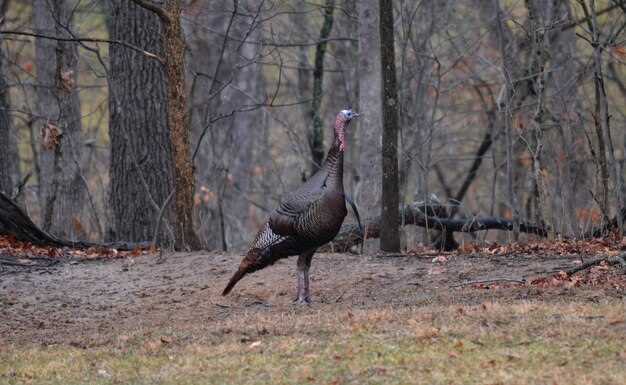
Finding the ideal location for your turkey blind is crucial for a successful hunt. Here are some essential tips to help you select the best spot.
First, consider the natural habits of turkeys. Look for areas with abundant food sources, such as fields or orchards, as these attract birds. Water sources are also significant; placing your blind near a creek or pond increases your chances of encountering turkeys.
Next, identify travel paths. Turkeys often follow specific routes between feeding and roosting areas. Set up your blind along these paths to increase visibility and accessibility. Look for signs of turkey activity, like tracks or scratching, to determine the best locations.
Ensure your blind provides adequate cover. Select locations with natural concealment, such as dense brush or trees, to remain hidden while hunting. Avoid wide-open fields where turkeys may spot you easily.
Consider the wind direction during your hunt. Turkeys have a sharp sense of smell, so position your blind accordingly to prevent them from catching your scent. Always set up downwind from where the turkeys are expected to approach.
Lastly, be mindful of your proximity to potential disturbances. Avoid areas near heavily trafficked roads or places where other hunters may be active. A peaceful environment increases the likelihood of successful encounters with turkeys.
By taking these factors into account, you’ll increase your chances of having a fruitful turkey hunting experience. A well-placed blind not only enhances your visibility but also improves your overall success rate in the field.
Best Practices for Concealing Your Ground Blind
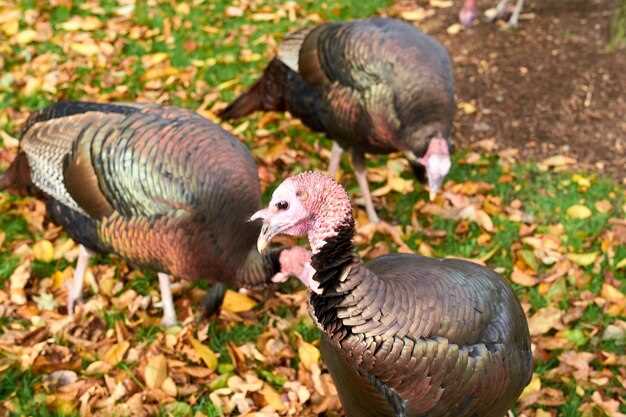
When setting up a ground blind for turkey hunting, concealing it effectively is crucial for successful hunts. The focus should be on blending the blind into the natural environment. Here are some best practices to achieve optimal concealment.
Select the Right Location: Choose a site where the turkey population is active. Look for areas with natural cover such as dense trees, shrubs, or tall grass. Setting up the blind near these features can help mask its outline and color.
Use Natural Materials: Incorporate branches, leaves, and other natural materials from the surrounding area into your blind setup. This can dramatically break up the shape and color of the blind, making it less recognizable to turkeys.
Avoid Clear Cuts: Stay away from open areas that provide no cover. Turkeys are cautious and can easily spot a blind in a barren space. Instead, opt for locations surrounded by vegetation to enhance concealment.
Camouflage the Blind: Use a blind that features earth-tone colors to better blend into the environment. If your blind doesn’t come with camo fabric, consider adding fabric from nature or camo netting to cover visible surfaces.
Remove Obstructions: Clear away any man-made objects or debris around your setup that could draw attention. Make sure nothing stands out against the natural background. The less clutter around your blind, the less likely turkeys are to be alarmed.
Consider the Wind: Avoid placing your blind in areas where the wind direction may make your scent drift toward turkeys. Proper positioning not only keeps you concealed but also minimizes the chances of being detected due to smell.
Use the Right Time: Aim to set up the blind well before the hunting season begins. This allows turkeys to become accustomed to its presence without associating it with danger. Ideally, set up at least a week in advance.
Stay Low: When inside the blind, maintain a low profile. Avoid sudden movements, stick to natural body positions, and remain quiet. Keeping still can significantly reduce your chance of being spotted.
By following these best practices for concealing your ground blind, you can enhance your turkey hunting experience and increase your chances of a successful harvest.
Tips for Enhancing Comfort and Visibility Inside the Blind
When setting up your turkey hunting blind, ensuring maximum comfort and visibility can significantly impact your overall experience and success. Start by choosing a suitable ground blind that offers adequate space for movement. Consider the size of your gear and the number of hunters that will be inside the blind. A tight setup can lead to discomfort and hinder your ability to aim effectively.
Next, invest in comfortable seating options. Use portable chairs with adequate support that can easily fit inside the blind. Some hunters prefer adjustable seats that allow for height modifications, providing better visibility to see incoming turkeys. Bringing along cushions can also enhance comfort during long waits.
Visibility is crucial for spotting turkeys. When setting up your blind, use natural vegetation to camouflage the exterior while maintaining a clear sightline from the inside. This setup allows you to observe your surroundings without alerting nearby wildlife. Ensure that windows are properly positioned and adjustable, so you can peek out without exposing yourself.
Lighting is another important aspect of comfort and visibility. If you plan to hunt in low-light conditions, consider adding a small, battery-operated light that does not emit too much brightness but provides adequate illumination inside the blind. This can be helpful when organizing gear or adjusting your setup without attracting attention from gobblers.
Lastly, prepare for changing weather conditions by bringing additional layers of clothing and ensuring proper ventilation within the blind. Keeping the interior temperature comfortable can make long days of waiting more bearable while allowing you to remain focused on the hunt. Apply these tips to enhance your comfort and visibility, ensuring a more enjoyable and fruitful turkey hunting experience.