The turkey rut season is a critical time for hunters looking to maximize their chances of success in the field. This period, characterized by the heightened activity of male turkeys as they seek out mates, presents unique challenges and opportunities. Understanding the behaviors and movements of these birds is key to navigating this season effectively.
When engaging in turkey hunting during the rut, many enthusiasts make common mistakes that can significantly hinder their efforts. From misjudging the timing of the rut to overlooking the importance of proper camouflage, these errors can lead to frustrating experiences. By gaining insight into the typical behaviors of turkeys during this season, hunters can avoid pitfalls and improve their strategies.
Effective turkey hunting requires patience and attention to detail, especially during the rut. Recognizing the signs of turkey activity, such as vocalizations and strutting behaviors, enables hunters to position themselves advantageously. Moreover, understanding the terrain and feeding patterns during this season can make the difference between a successful hunt and a missed opportunity.
In this article, we will explore the most common mistakes made by turkey hunters during the rut season and provide practical advice on how to avoid them. Whether you are a seasoned veteran or a novice, arming yourself with this knowledge will enhance your hunting experience and increase your success rate in the field.
Identifying the Right Time for Turkey Rut Activities
Timing is crucial when it comes to turkey hunting, especially during the rut season. Understanding the behavior of turkeys during this period can significantly enhance your hunting strategy. The rut season typically occurs in the spring, coinciding with rising temperatures and longer daylight hours. Observing these environmental changes is essential for identifying the optimal time for your turkey activities.
Mornings and late afternoons are often the most productive times for turkey hunting during the rut. Turkeys are generally more active during these hours, as they forage for food and engage in mating behaviors. It’s important to set up your hunting location before dawn and remain quiet to increase your chances of success.
Pay attention to the phases of the rut. During the early rut, male turkeys, or toms, become more vocal and can be easily attracted to calls. As the season progresses to the peak rut, aggressive behaviors increase, making aggressive calling strategies more effective. Monitor turkey movements and adjust your tactics accordingly to align with their changing behavior.
Local weather conditions can also impact turkey activity. Rainy or overly windy days might deter turkeys from being out in the open. Similarly, colder weather can influence their feeding patterns. Always check the weather forecast and adapt your hunting plans to ensure you are out during prime times.
Ultimately, knowing when to hunt involves a combination of observing turkey behavior, understanding environmental factors, and timing your activities to coincide with their rut cycle. This strategic approach will enhance your chances of a successful hunt during the turkey rut season.
Choosing the Best Hunting Equipment for Turkey Rut
Selecting the appropriate hunting equipment during the turkey rut season is crucial for a successful strategy. The rut period transforms the behavior of turkeys, making them more active and vocal. Therefore, having the right tools can significantly improve your chances of a successful hunt.
First and foremost, a reliable shotgun is essential. Look for one that offers versatility and accuracy, as shots may be taken at varying distances. It’s advisable to use a shotgun with a tight choke to ensure a concentrated shot pattern, which is crucial when aiming at fast-moving turkeys. Load your shotgun with high-quality turkey-specific ammunition designed for maximum effectiveness.
Calls and decoys are vital components of your hunting strategy. Realistic turkey calls will help mimic the sounds of both hens and toms, attracting the attention of nearby birds. Invest in a range of calls, including box, pot, and diaphragm calls to adapt to different situations. Furthermore, using decoys can enhance your setup, drawing turkeys into range by mimicking natural behavior during the rut. Choose decoys that represent both male and female turkeys to increase your allure.
Don’t overlook the importance of camouflage gear. During the rut, turkeys have heightened senses, making concealment essential. Utilize clothing that matches your hunting environment, allowing you to blend in seamlessly with the surroundings. Consider materials that provide comfort and allow for ease of movement, as patience is often required waiting for the right moment.
Lastly, a good hunting backpack will keep your gear organized and accessible. Look for one with compartments for calls, ammunition, and personal items such as snacks and hydration systems. Staying comfortable and prepared can greatly enhance your hunting experience during the active rut season.
Using Calls and Decoys to Attract Turkeys During Rut
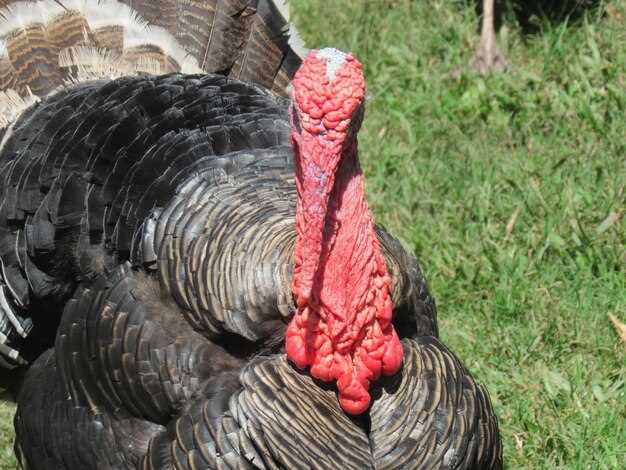
During the turkey rut season, utilizing calls and decoys can significantly enhance your hunting success. Turkeys are highly responsive to auditory and visual stimuli, making these tools indispensable in the field. The rut season is marked by increased activity and vocalization among turkeys as they search for mates, providing hunters with a prime opportunity to engage them.
When using calls, it’s essential to mimic the natural sounds of turkeys accurately. Hen calls, such as yelps and clucks, tend to attract male turkeys looking for mates. Additionally, incorporating gobbler calls can entice aggressive males, drawing them into your vicinity. Mastering different call techniques, such as soft purring or excited clucking, can enhance your ability to communicate effectively with the birds.
Decoys play a crucial role in visual attraction. Setting up a realistic hen decoy can create an inviting scenario for curious gobblers. Positioning the decoy strategically in an open area allows the turkey to spot it easily, triggering its natural instinct to approach. Using a jake decoy can also provoke aggressive behavior in dominant males, making them more likely to come within shooting range.
Timing is vital when using both calls and decoys. Early morning and late afternoon are generally optimal times for turkey movement, so setting up during these periods can yield the best results. Additionally, be mindful of your surroundings to avoid spooking birds; maintaining a low profile while calling and ensuring decoys are visible but not overly obvious can increase your chances of success.
In summary, effectively using calls and decoys during the turkey rut season can greatly improve your hunting experience. By understanding turkey behavior and employing these techniques skillfully, you can attract wandering turkeys and enhance your overall success in the field.