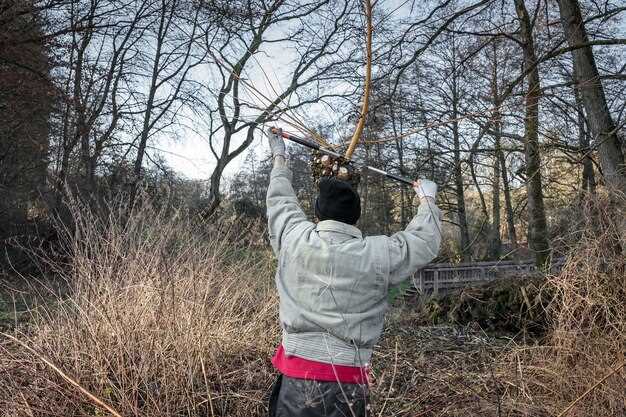
Crossbow hunting has gained popularity in recent years, attracting both seasoned hunters and newcomers to the field. However, engaging in this activity requires an understanding of the regulations that govern the use of crossbows in various regions. Ensuring compliance with these regulations is not just a matter of legality but also contributes significantly to wildlife conservation and the overall safety of the hunting experience.
Each state or country may have its own set of rules regarding the use of crossbows during hunting seasons. This includes specifications on equipment, permitted game, and licensing requirements. Hunter education programs often cover these regulations, emphasizing the importance of adhering to the guidelines to promote ethical hunting practices.
Familiarizing yourself with the specific regulations applicable to your area can prevent legal issues and enhance your effectiveness as a hunter. Whether it’s understanding draw weights, arrows, or the seasons when crossbow hunting is permitted, knowing the rules is crucial for a successful and responsible hunting experience.
Understanding Licensing Requirements for Crossbow Hunting
When engaging in crossbow hunting, it is crucial to understand the licensing requirements that govern this activity. Regulations regarding hunting licenses vary significantly from one jurisdiction to another, and being informed is essential for compliance and responsible hunting practices. In most regions, hunters must obtain a specific crossbow hunting license in addition to a general hunting license.
One of the first steps in securing a crossbow hunting license often involves completing a hunter safety course. These courses educate hunters about safe practices, ethical hunting, and the legal considerations necessary for a positive hunting experience. Some states may require proof of completion before issuing a license.
Licensing authorities typically specify the type of crossbow equipment that is permissible under regulations. Certain areas might restrict the use of crossbows to specific hunting seasons or require additional permits for use in archery-only zones. It is vital that aspiring crossbow hunters check local regulations to ensure their gear and hunting methods comply with the law.
Additionally, age restrictions may apply, meaning younger hunters might need to hunt under adult supervision or obtain special permits. Hunters are also advised to familiarize themselves with bag limits, hunting seasons, and other essential rules that accompany the licensing requirements.
In summary, understanding licensing requirements for crossbow hunting is fundamental to adhering to local regulations and contributing to sustainable wildlife management. Always verify the latest regulations through your state’s wildlife agency to ensure compliance and a successful hunting experience.
Comparing State-Specific Crossbow Hunting Rules
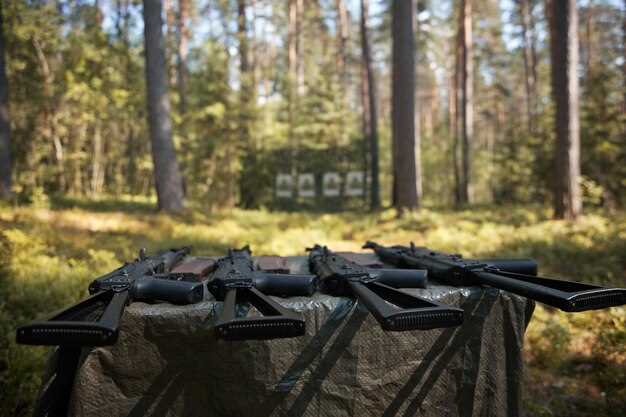
When it comes to crossbow hunting, regulations can vary significantly from state to state, impacting how enthusiasts plan their activities. Understanding these differences is crucial for compliance and a successful hunting experience.
In some states, crossbows are fully allowed during the entire hunting season, while others may restrict their use to certain periods, such as the archery season only. For instance, states like Wisconsin and Alabama permit crossbow hunting throughout the season, encouraging broader participation. Conversely, states like California restrict crossbow hunting to specific circumstances, such as when a hunter possesses a disability.
Weapon specifications also differ among states. Some regulations dictate the minimum draw weight or arrow velocity required for crossbows, promoting ethical hunting practices. States like New York require a minimum draw weight of 125 pounds, whereas others may have no specified minimum, allowing for more flexibility in equipment choice.
Hunting licenses and permits related to crossbow use can also vary. Certain states may require a separate crossbow endorsement in addition to a general hunting license. It’s essential for hunters to confirm their licensing requirements prior to heading out. Additionally, age restrictions for crossbow use might differ; some states allow youth hunters to use crossbows, while others have age-specific regulations in place.
Furthermore, hunters should be aware of the regulations surrounding safety and usage. Many states enforce rules regarding the use of broadheads, with some mandating specific types for hunting certain game. Others may have restrictions on crossbow modifications, aiming to maintain fair chase standards and conserve wildlife populations.
In summary, comparing state-specific crossbow hunting rules is vital for responsible hunting practices. Misunderstanding these regulations can lead to violations, resulting in fines or loss of hunting privileges. Therefore, hunters must thoroughly research the laws applicable in their particular state and stay updated on any changes to ensure a compliant and enjoyable hunting experience.
Essential Safety Guidelines for Crossbow Use in Hunting
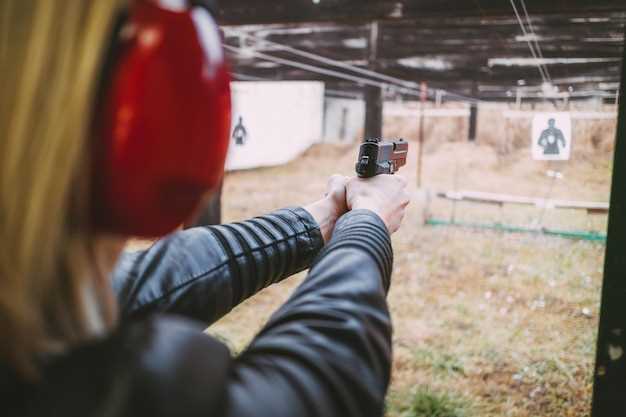
When engaging in hunting activities with a crossbow, adhering to safety regulations is paramount to ensure both the hunter’s safety and the wellbeing of others in the vicinity. These guidelines are designed to promote responsible and safe use of crossbows during hunting excursions.
First and foremost, always treat your crossbow as if it is loaded. Never allow the safety mechanisms to provide a false sense of security. Before handling, always check to ensure that your crossbow is unloaded, and keep your fingers away from the trigger until you are ready to shoot.
It is crucial to familiarize yourself with the specific hunting regulations and laws in your area regarding crossbow use. Different regions may have varied requirements concerning the permissible types of crossbows and the designated hunting seasons. Ensure you possess the necessary permits and adhere to all relevant regulations.
Establish a clear target before shooting. Be aware of your surroundings and the potential for stray bolts to accidentally hit people, pets, or property beyond your intended target. Knowing the distance and trajectory of your shot is essential for safe hunting practices.
Wear appropriate safety gear, including a hunter orange vest to enhance visibility, especially during firearm hunting seasons. This guideline is vital not only for your safety but also for the safety of others who may be in the area.
Practice regularly to improve your skill and accuracy with the crossbow. Understanding the mechanics and handling of your equipment can prevent accidents. Always ensure your crossbow is in good condition; check for damage before each use and replace worn or damaged parts promptly.
Maintain a safe and responsible distance from other hunters. Communicate plans clearly, and if hunting in a group, establish a code of conduct to prevent misfire incidents. Honoring personal space can reduce risks associated with crossbow hunting.
Lastly, never consume alcohol or drugs before or during hunting. Impairment can lead to poor judgment and dangerous situations in the field. Being fully alert ensures not only your safety but the safety of others around you.