
Getting a hunting license is an essential step for young enthusiasts eager to explore the great outdoors and engage in the sport. However, the rules governing youth hunting licenses vary widely from state to state, making it crucial for both parents and young hunters to understand specific requirements in their area. This article aims to provide a comprehensive overview of what is needed for obtaining a youth hunting license across the United States.
Each state has its own set of regulations that dictate the age at which children can apply for a license, the necessary training courses, and any accompanying legal stipulations. Understanding these differences is vital for ensuring compliance and fostering a safe and enjoyable hunting experience. This guide breaks down these requirements, helping families navigate the often complex landscape of youth hunting regulations.
By familiarizing yourself with the various state-specific rules and requirements for obtaining a youth hunting license, parents can better prepare their children for a responsible introduction to the sport. From safety courses to supervised hunting guidelines, knowing what to expect is the first step towards successful and responsible youth hunting.
Age Restrictions and Eligibility Criteria for Youth Hunters
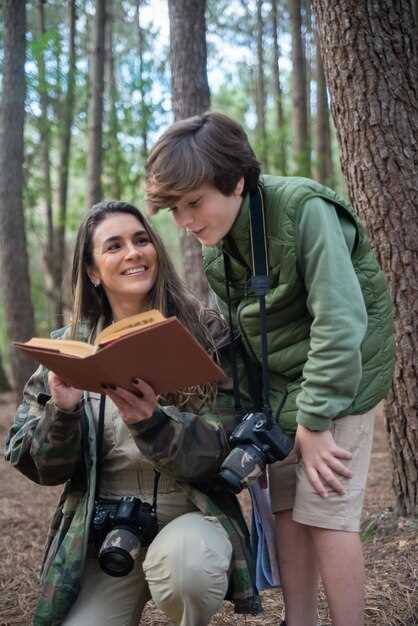
When it comes to youth hunting, each state has specific rules governing the age at which hunters can legally participate in hunting activities. Generally, the minimum age for obtaining a youth hunting license ranges from 10 to 16 years. This variation allows states to tailor their regulations based on local wildlife populations, safety concerns, and community values.
Typically, youth hunters under a certain age must be accompanied by a licensed adult. For instance, in many states, hunters aged 12 and below must hunt under adult supervision, ensuring a safer environment and providing an opportunity for mentoring. As youth progress through designated age thresholds, they may earn greater independence in hunting practices, especially when they complete necessary hunter education courses.
Eligibility criteria often include not just age, but also successful completion of a hunter education program. Most states require this certification to ensure that young hunters are knowledgeable about firearm safety, wildlife conservation, and ethical hunting practices. Parents or guardians are encouraged to actively participate in the learning process, fostering a responsible attitude toward hunting.
In addition to age and educational requirements, some states impose restrictions based on the types of game that youth hunters can pursue, which may differ for various age groups. Understanding these rules is essential for compliance and ensuring a positive hunting experience. Overall, by following these regulations, youth can engage in hunting responsibly and safely, contributing to a lifelong appreciation for the outdoors.
Training and Safety Course Requirements for Obtaining a Youth License

To ensure the safety and effectiveness of young hunters, most states mandate specific training and safety course requirements before they can obtain a youth hunting license. These courses aim to educate young hunters about firearm safety, hunting ethics, conservation, and responsible behavior in the field.
Eligibility for Courses: Generally, individuals aged between 10 and 17 are eligible to participate in these training programs. Some states offer courses online, while others require in-person attendance. It’s crucial for parents or guardians to check the requirements in their respective states, as they may vary significantly.
Course Content: The typical curriculum includes topics such as safe handling of firearms, proper hunting techniques, first aid, and understanding local wildlife regulations. Many courses also emphasize the importance of respecting the environment and practicing ethical hunting habits.
Certification: Upon successful completion of the training course, participants receive a certificate, which is usually necessary to apply for a youth hunting license. This certification not only validates the youth’s knowledge but also promotes responsible hunting among young individuals.
State Variations: Each state has its own specific requirements regarding the type of training needed and the minimum age for participation. Checking with local wildlife authorities or conservation organizations can provide up-to-date information about what is needed to qualify for a youth hunting license in your area.
In summary, completing a training and safety course is a vital step for young hunters eager to obtain their hunting license. This important preparatory phase enhances safety and fosters a culture of respect and responsibility within the hunting community.
Variations in Hunting Regulations Across States for Young Hunters
Hunting regulations for young hunters can vary significantly between states, influenced by local wildlife populations, cultural attitudes towards hunting, and safety concerns. Understanding these differences is crucial for parents and guardians who wish to introduce their children to the sport.
In many states, age requirements for obtaining a youth hunting license differ. Some states allow children as young as 12 to hunt with a license, while others may set the minimum age at 14 or even older. Additionally, certain states offer special youth licenses that can provide opportunities for younger hunters, often accompanied by specific rules regarding the supervision of adult hunters.
Training and safety courses are another area where regulations can vary. Most states require young hunters to complete a hunter safety course before being issued a license. However, the length, content, and format of these courses can differ greatly. Some states offer online courses, while others mandate in-person training sessions, which can include practical, hands-on instruction.
Rules surrounding hunting methods and equipment also fluctuate. For young hunters, there may be restrictions on the type of firearms or archery equipment that can be used. Certain states permit only specific calibers for youth hunters or provide guidelines on the use of crossbows and other devices, promoting safety and ensuring that young hunters can handle the equipment effectively.
Furthermore, hunting seasons and bag limits can vary based on the age of the hunter. Some states have designated youth hunting days or seasons designed specifically for inexperienced hunters, allowing them to hunt in a controlled environment with fewer experienced competitors in the field. These provisions often come with specific regulations aimed at protecting wildlife populations while fostering a safe and enjoyable hunting experience for young enthusiasts.
By understanding the specific requirements and regulations of their state, young hunters and their families can better prepare for a successful and responsible hunting experience. It is essential to stay informed about local laws, as these can change frequently, ensuring compliance and promoting safety in the field.