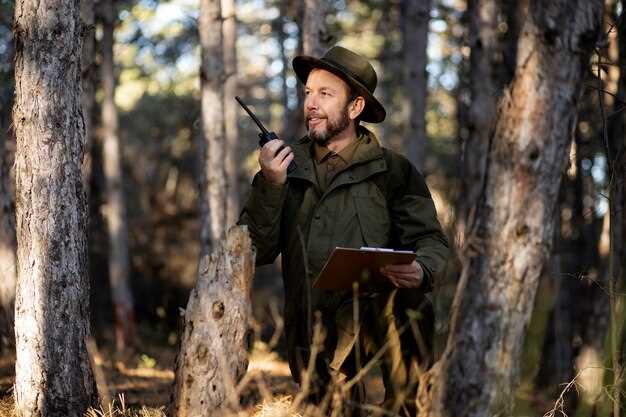
Planning the perfect guided elk hunt requires careful consideration and thorough research. The experience of pursuing these majestic creatures can be both exhilarating and rewarding, but it hinges on making the right choices from the outset. Understanding the nuances of guided trips can significantly enhance your chances of success and ensure a memorable adventure.
To begin with, selecting a reputable outfitter is crucial. A trusted guide not only brings extensive knowledge of the terrain and elk behavior but also prioritizes the safety and enjoyment of their clients. It’s essential to review recommendations and testimonials from previous hunters to gauge the quality of service provided.
Additionally, the planning phase should encompass an assessment of your own skill level and physical readiness for the hunt. Guided trips can vary in intensity, and it’s important to choose one that aligns with your experience and fitness. This thoughtful approach will help you make the most of your guided elk hunt, allowing you to focus on the thrill of the chase while knowing you are well-prepared.
Identifying the Right Guided Elk Hunting Outfits
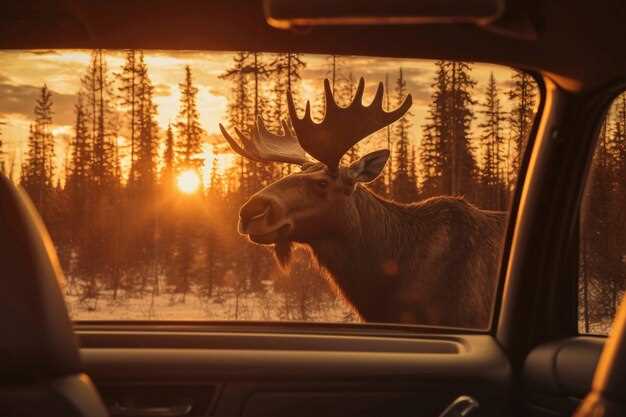
When planning a guided elk hunting trip, choosing the right outfitter is crucial for a successful experience. Start by researching the reputation of various hunting outfits. Look for reviews and testimonials from previous clients to gauge their satisfaction and the quality of the services offered. A reliable outfitter should have a proven track record of successful hunts and commitment to safety and conservation.
Consider the expertise of the guides. Experienced guides often possess extensive local knowledge, including elk behavior and preferred habitats. This understanding significantly increases your chances of a successful hunt. Inquire about the qualifications and training of the guides to ensure they can provide effective assistance throughout your trip.
Evaluate the types of hunting packages provided by different outfits. Some may offer all-inclusive trips that cover lodging, meals, and equipment, while others may focus specifically on guiding services. Determine what fits your budget and personal preferences. Additionally, verify if they offer customizable trips to meet your specific needs and expectations.
It’s also essential to check the size of the hunting area and the number of hunters per guide. A smaller hunting area with fewer hunters increases the opportunity for a more personalized experience. Bigger outfits may handle larger groups, but this can reduce your chances of a successful hunt due to competition among hunters.
Lastly, ensure that the outfitter adheres to ethical hunting practices. Sustainable hunting operations contribute positively to the environment and wildlife populations. Confirm their commitment to conservation efforts and responsible hunting methods, as this reflects the overall philosophy of the outfitter and enhances the experience for all involved.
Essential Gear and Preparation for Your Elk Hunting Trip
Planning a successful elk hunting trip requires careful consideration of essential gear and proper preparation. The right equipment not only enhances your experience but also increases your chances of a successful hunt. Begin with a reliable rifle or bow, ensuring it is suitable for elk and that you are comfortable using it. Select appropriate ammunition or arrows, taking into account the size and distance of your targets.
Clothing plays a vital role in your trip. Invest in moisture-wicking base layers, insulation for warmth, and a durable, weather-resistant outer layer. Elk hunting often involves unpredictable weather, so having gear that can adapt to changing conditions is crucial. Additionally, choose high-quality, comfortable boots that provide support and grip for rugged terrains.
Don’t forget essential accessories such as binoculars and a rangefinder. Binoculars will help you scout the area for elk, while a rangefinder ensures accurate shots over varying distances. A well-equipped backpack should carry these items along with a first aid kit, water supply, and protein-rich snacks to maintain your energy while on the hunt.
Preparation extends beyond gear. Familiarize yourself with the hunting area through maps or local guides, and understand the elk’s behavior and movement patterns. This knowledge will aid in planning your outings and positioning yourself effectively. Practice your shooting skills ahead of the trip to ensure confidence and accuracy when it matters most.
Lastly, consider the logistics of your trip, including travel arrangements, permits, and regulations. Proper planning will help you navigate these aspects smoothly, allowing you to focus on the excitement of the hunt. With the right gear and thorough preparation, your elk hunting trip can be both enjoyable and rewarding.
Understanding Elk Behavior and Best Hunting Practices
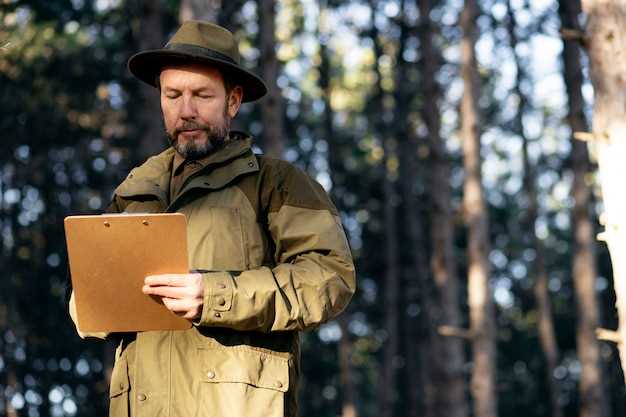
Understanding elk behavior is crucial for a successful trip. Elk are highly social animals, often found in herds, especially during the rutting season when males are actively seeking mates. They communicate through a variety of vocalizations, with bugling being the most well-known sound associated with elk. Being aware of their vocalizations can help in planning your hunting strategy, as you can use calls to attract them.
The time of day significantly impacts elk activity. Mornings and evenings are typically the best times to hunt, as elk are more active during these periods. They tend to feed during dawn and dusk, which provides a perfect opportunity for hunters to catch them off guard. Midday hunts can be less effective, but scouting during this time can reveal trails and feeding areas that may be utilized during prime hours.
Weather conditions also play an essential role in elk behavior. Overcast days may encourage elk to move more freely, while clear skies can lead to increased caution. Planning your trip with weather forecasts in mind can enhance your chance of success. During heavy rain or snow, elk may seek shelter in thicker cover, making them harder to locate.
In the context of guided elk hunts, your guide will likely have intimate knowledge of local elk patterns and behaviors. Taking advantage of their expertise can provide insights on the best locations to set up and optimal times to be in the field. Discussing strategies and sharing your goals with your guide can ensure your trip aligns with effective hunting practices.
Finally, patience and stealth are essential elements of any successful elk hunt. The ability to remain quiet and concealed is critical, as elk have keen senses. Utilize natural cover, move slowly, and take your time when approaching areas where elk are known to congregate. Remember, a well-planned approach to understanding elk behavior can lead to a rewarding hunting experience.