
Embarking on your first out-of-state hunting trip can be an exhilarating experience, filled with opportunities for adventure and connection with nature. However, proper preparation is essential to ensure a successful journey. From understanding state regulations to packing the right gear, a well-organized approach can make all the difference in your travel experience.
Before hitting the road, it is crucial to familiarize yourself with the hunting laws and regulations of the state you plan to visit. Each state has its own unique rules regarding hunting seasons, license requirements, and bag limits. Research these details to avoid any legal pitfalls and ensure that you comply with local wildlife conservation efforts.
In addition to legal considerations, effective travel planning is key. This includes choosing appropriate transportation methods, securing accommodations, and organizing your gear. Whether you prefer camping in the great outdoors or booking a cabin, having a clear plan will contribute to a more enjoyable and stress-free experience.
Understanding Legal Requirements for Out-of-State Hunting
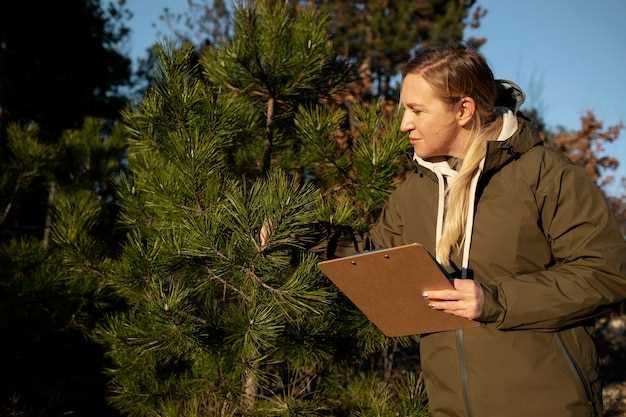
When planning an out-of-state hunting trip, it is essential to familiarize yourself with the legal requirements specific to the state you are traveling to. Each state has its own set of regulations governing hunting licenses, permissible hunting seasons, and species restrictions. Failure to comply with these laws can result in hefty fines or even legal action.
Firstly, obtain the appropriate hunting license for the state you are visiting. Many states require non-residents to purchase a separate license, which may differ in cost and duration from resident licenses. Check the local wildlife agency’s website for detailed information on license types and application processes.
Additionally, it’s crucial to be aware of the specific hunting regulations related to the species you plan to hunt. Some states have stricter rules concerning bag limits, hunting methods, and equipment usage. Researching these restrictions will help ensure you are in compliance during your trip.
Moreover, understand the importance of any required permits, especially if you intend to hunt in special management areas or during specific seasons. Certain states may also have regulations regarding the transportation of harvested animals, including tagging requirements and reporting procedures.
Lastly, familiarize yourself with firearm and equipment laws in the state you are visiting. Regulations regarding the type of weapons you can use and how they must be transported can vary significantly. Making sure you adhere to these laws will help you avoid complications during your travel.
Selecting the Right Destination and Species for Your Trip

Choosing the right destination for your out-of-state hunting trip is crucial for a successful experience. Start by researching regions known for the species you want to hunt. Each area has its own regulations, seasons, and populations, so it’s important to match your hunting interests with suitable locations.
Consider the species you wish to pursue. For example, if you are interested in deer hunting, states like Wisconsin and Michigan offer abundant populations and various hunting opportunities. For waterfowl, states like Arkansas and Louisiana are renowned for their seasonal migrations. Familiarize yourself with the habits and habitats of these species to increase your chances of success.
Evaluate the logistics of your trip. Factors such as proximity to your home state, accessibility, and available accommodations should be taken into account. A destination that is easy to reach will allow you to maximize your time in the field. Additionally, ensure the area has sufficient resources, like local guides and equipment rentals, if needed.
Finally, consider weather conditions and terrain. Some states have challenging climates that can impact hunting conditions, while others provide varied landscapes that may enhance the overall experience. By carefully selecting your destination and focusing on the right species, you’ll set the stage for a memorable out-of-state hunting adventure.
Packing and Planning for Travel Logistics
When preparing for your first out-of-state hunting trip, effective packing and meticulous planning for travel logistics are crucial. Start by creating a comprehensive checklist of all necessary hunting gear, clothing, and supplies tailored to your destination’s environment and weather conditions. Ensure you include items such as a license, tags, appropriate firearms or bows, ammunition, and a first aid kit. Don’t forget personal essentials like clothing layers, durable footwear, and toiletries.
Organize your gear in a way that makes it easily accessible during travel. A sturdy, waterproof duffel bag or a hard-shell case for firearms can protect your equipment from damage. Use packing cubes or compression bags for clothing to maximize space and ensure an organized approach. Additionally, consider weight restrictions and regulations for air travel, as many airlines have specific rules for transporting hunting gear.
Plan your travel route meticulously, taking into account distances, overnight accommodations, and fuel stops if you are driving. Research local hunting regulations in the state you are visiting, including any specific requirements for hunters. If flying, verify the policy for transporting firearms with your airline and prepare to arrive early at the airport for check-in and security processes.
Lastly, stay informed about any potential weather changes that could affect your travel plans and the hunting experience. Having a flexible itinerary will allow you to adapt to unforeseen circumstances while ensuring you arrive at your hunting destination prepared and on time.