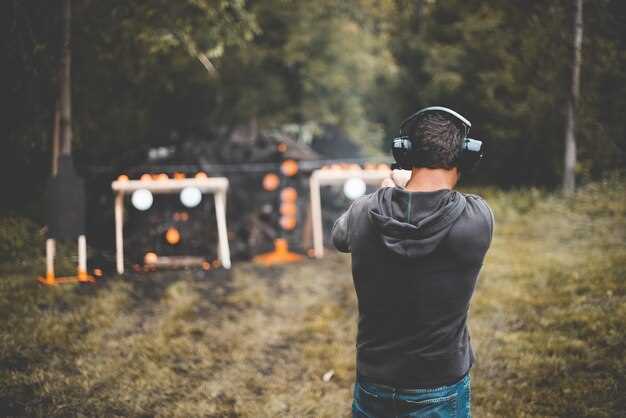
In the realm of big game hunting, precision and accuracy are paramount. The ability to effectively gauge distance can mean the difference between a successful harvest and a missed opportunity. Rangefinders have emerged as indispensable tools for hunters, offering a range of benefits that enhance their overall experience in the field.
Enhanced Accuracy is one of the primary advantages of using a rangefinder during big game hunts. By providing exact distance measurements, these devices allow hunters to adjust their aim and compensate for factors such as wind and elevation. This increased accuracy can lead to more ethical shots, reducing the risk of wounding an animal and ensuring a cleaner harvest.
Another significant benefit is time efficiency. In the often unpredictable environment of the wilderness, every second counts. Rangefinders enable hunters to quickly assess distances without resorting to guesswork, helping them make informed decisions rapidly. This efficiency can be crucial during high-stress moments when a big game animal presents itself.
Moreover, modern rangefinders often come equipped with innovative features like angle compensation and ballistic calculators, which further assist hunters in determining the most effective range and trajectory for their shots. These advancements contribute to a more successful hunting experience, allowing enthusiasts to focus on what they love–pursuing their passion for big game hunting.
Improving Shot Accuracy with Rangefinders
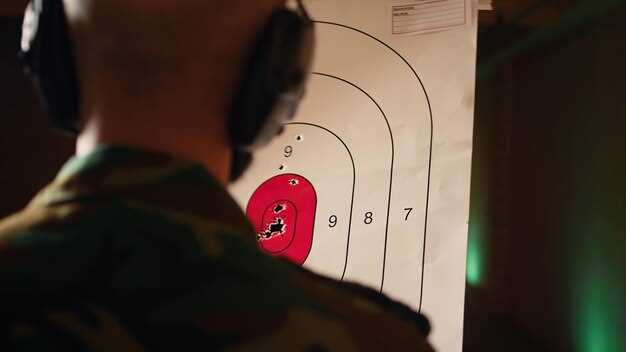
Accurate shooting is crucial in big game hunting, and rangefinders have become an essential tool to ensure success. They provide hunters with precise distance measurements, which is key to making accurate shots. Here are the primary ways rangefinders enhance shot accuracy:
- Exact Distance Measurements: Rangefinders calculate the exact distance to the target, allowing hunters to adjust their aim and calculate ballistic drop effectively.
- Compensation for Elevation: Many advanced rangefinders factor in elevation changes, helping hunters understand how distance may affect their shot in hilly or mountainous terrain.
- Improved Adjustments: Knowing the precise distance allows hunters to make necessary adjustments to their equipment, such as setting the correct sighting system or scope settings.
- Increased Confidence: Accurate distance data reduces uncertainty, allowing hunters to take the shot with greater confidence, which is vital when hunting big game.
- Real-Time Data: Modern rangefinders often include features like angle compensation and wind readings, providing critical information that can enhance shot accuracy in real-time.
In conclusion, rangefinders are invaluable for big game hunters aiming to improve their shot accuracy. By providing detailed and precise data, these devices help ensure every shot counts, leading to a more successful hunting experience.
Understanding Distance Measurement for Different Terrain
Accurate distance measurement is crucial for successful big game hunting, as various terrains can significantly affect how distances are perceived and calculated. Each environment presents unique challenges that require hunters to adapt their techniques for precise engagement with their target.
In open plains, visibility is often unobstructed, allowing hunters to gauge distances more straightforwardly. However, the lack of reference points can lead to miscalculations, particularly with large game species that may appear farther away than they are. Rangefinders can enhance accuracy in these settings by providing exact distances, enabling hunters to adjust their aim accordingly.
Forested areas pose different challenges. Thick brush can obscure sightlines, making it difficult to assess the distance to a big game animal. The presence of trees and shrubs may also create confusing optical effects, causing hunters to misjudge distances. Rangefinders equipped with angle compensation features are particularly beneficial in these environments, as they account for the elevation changes and provide accurate readings based on the shooting angle.
In mountainous terrains, elevation plays a significant role in distance measurement. The steep inclines can alter the perceived distance to a target, making it essential for hunters to understand the impact of their shooting position. Rangefinders that calculate horizontal distance can assist hunters in determining the effective range when targeting big game from higher elevations, thus ensuring a more accurate shot.
Wetlands and marshy areas can further complicate distance estimation due to varying visibility and the potential for differing vegetation heights. Keeping the terrain’s surface conditions in mind is vital when assessing ranges. A rangefinder can help account for the subtle changes in distance created by these environmental factors, improving the chances for a successful hunt.
By understanding how different terrains affect distance measurement, hunters can effectively utilize rangefinders to their advantage. The integration of precise distance data allows for better shot placement, significantly enhancing the likelihood of a successful big game hunting experience.
Integrating Rangefinder Technology with Hunting Strategy
In the realm of big game hunting, precision and accuracy often determine success. Integrating rangefinder technology into your hunting strategy enhances these critical elements. A rangefinder provides exact distance measurements, allowing hunters to assess their shooting environment with confidence.
By utilizing a rangefinder, hunters can calculate the effective range of their firearms and make informed decisions about their shots. Understanding the distance to the target helps in compensating for factors such as bullet drop and wind drift, which are vital for accurate shooting. Additionally, rangefinders equipped with angle compensation features are particularly beneficial when hunting in varied terrain, such as mountainous areas where elevation changes can impact bullet trajectory.
Incorporating rangefinder readings into your hunting plan not only increases your chances of a successful hunt but also enhances the overall experience. Knowing the distance to your target allows for better shot placement and can reduce the likelihood of wounding an animal. Integrating this technology into your pre-hunt preparation helps in selecting the appropriate ammunition and ensuring your equipment is dialed in correctly for the conditions you’ll be facing.
Moreover, during the stalk, rangefinders assist in gauging the distances of potential shooting lanes and obstacles. This information enables hunters to navigate effectively, positioning themselves for optimal shooting angles while remaining discreet. Combining stealth with strategic distance measurement ultimately leads to a more successful hunt.
In conclusion, the integration of rangefinder technology into big game hunting strategies significantly enhances effectiveness. By measuring distance accurately, compensating for environmental factors, and facilitating better decision-making, hunters can maximize their potential for success in the field.