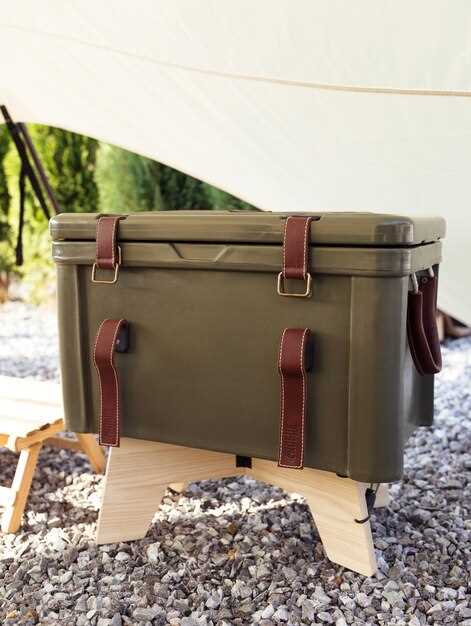
When it comes to waterfowl hunting, the right gear can significantly enhance your chances of success. A well-planned blind setup not only provides concealment but also creates an inviting environment for ducks and geese. Understanding the essential elements of an effective blind will ensure that you are fully prepared for your hunting adventure.
The core of any effective setup is the blind itself. Waterfowl blinds come in various shapes and sizes, ranging from portable models to permanent fixtures. Each type has its advantages, but the key is to select a blind that suits your hunting style and the specific conditions of your hunting location. Whether you opt for a grass-covered layout or a camouflaged popup blind, ensuring that your gear blends harmoniously with the surrounding landscape is crucial for decoying success.
Ultimately, a strategic approach to your blind setup involves more than just choosing the right waterfowl blind. Additional gear such as decoys, calling devices, and proper camouflage clothing plays a pivotal role in creating an inviting atmosphere that attracts birds. With the right combination of equipment, you’ll maximize your potential for a memorable hunting experience.
Choosing the Right Type of Waterfowl Blind for Your Environment
When it comes to hunting waterfowl, selecting the appropriate blind is crucial for optimizing your experience and increasing your chances of a successful hunt. Different environments require distinct blind configurations. Understanding these variations will help you make a more informed decision.
Marsh Environments: In marshy areas, where water levels fluctuate, a floating blind is often the best choice. This type allows hunters to remain concealed while being level with the surrounding terrain. Ensure it is constructed with materials that can withstand moisture and provide adequate camouflage among reeds and grass.
Field Settings: If you’re hunting in agricultural fields, a layout blind tends to be more effective. These blinds are low-profile and easily blended into the landscape, often mimicking the appearance of harvested crops. Investing in a blind with detachable covers allows for quick adaptation when hunting in different field conditions.
Wooded Areas: In heavily wooded environments, choosing a tree blind or a ground blind that mimics the natural foliage can provide the necessary concealment. A well-placed tree blind offers an elevated perspective, making it easier to spot approaching waterfowl. Look for options that include natural camouflage options like burlap or netting to enhance your disguise.
Open Water: For hunting on large lakes or ponds, a boat blind is ideal. These blinds can be attached to your watercraft, allowing for mobility while maintaining a low profile. Always consider using natural materials to ensure it blends seamlessly with the aquatic surroundings, keeping you hidden from passing birds.
Ultimately, the effectiveness of your waterfowl hunting relies heavily on the choice of blind suitable for your specific environment. Consider factors such as mobility, durability, and concealment to select the best option for your hunting endeavors.
Must-Have Gear for Comfort and Concealment in the Blind
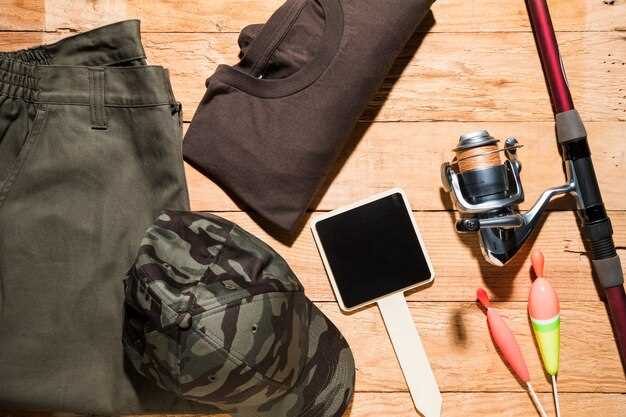
Successful waterfowl hunting requires a combination of comfort and concealment within the blind. The right gear can significantly enhance your experience and effectiveness in the field.
Blind Fabric and Camouflage: Choosing the right material for your blind is essential for optimal concealment. Look for fabrics that closely mimic the natural surroundings, such as reeds or grass. Reliable camouflaging options include burlap, mesh, and specialized waterfowl patterns that break up your silhouette, making it difficult for birds to spot you.
Seating and Support: Comfort during long hours in the blind is crucial. Invest in portable, adjustable seats that provide adequate support. Folding chairs with backrests, cushioned pads, or even elevated platforms will help you stay comfortable while waiting for the right moment to make your shot.
Insulated Gear: Weather can change rapidly during a waterfowl hunt. Pack insulated layers, including jackets and gloves, to maintain warmth. Waterproof boots and base layers are equally important to keep you dry and comfortable, even when wading through cold water.
Blindside Accessories: Consider additional equipment, such as decoy bags and water-resistant storage for your essentials. Use organizers to keep your gear tidy and accessible. A camouflage net can also be a valuable addition, allowing you to quickly cover any openings in your blind for enhanced concealment.
Comfort Items: Don’t forget the small items that can make a big difference. Bring along cushions or pads for sitting, hand warmers for cold days, and a thermos with your favorite beverage. These little comforts can help you stay focused and enjoy your time in the blind.
By prioritizing comfort and concealment with the right gear, you can significantly improve your chances of a successful waterfowl hunt while ensuring a more enjoyable experience in the blind.
Essential Accessories for Maximizing Your Hunting Experience
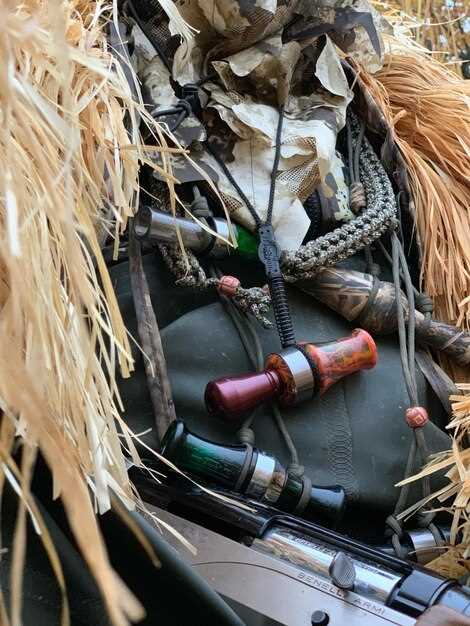
To enhance your waterfowl hunting experience, it’s crucial to have the right gear beyond the basics of your blind and firearm. Here are some essential accessories that can significantly improve your efficiency and enjoyment during each outing.
Decoys play a pivotal role in attracting birds. High-quality, realistic decoys can mimic the appearance of live waterfowl, making them irresistible to approaching flocks. Consider investing in a mixture of species to diversify your setup and appeal to a broader range of birds.
Calls are equally important as they allow you to imitate the sounds of waterfowl, drawing them closer to your location. Mastering a few different calls can help you communicate effectively with passing ducks and geese. A quality call will also ensure your sounds are clear and realistic.
A layout blind or dog blind provides concealment and comfort while hunting. These structures help you blend into the environment, making it harder for birds to spot you. Ensure that the blind is easy to transport and set up, allowing for quick adjustments during hunting sessions.
Warm clothing designed for outdoor use is essential to staying comfortable in various weather conditions. Layering with moisture-wicking base layers and insulating mid-layers will keep you warm and dry, enabling you to focus on your hunting rather than battling the elements.
A good pair of waders is invaluable for navigating through marshy terrain or shallow waters. Look for durable, waterproof materials that offer insulation for colder months. Your comfort while moving to and from your blind can significantly impact your overall experience.
Lastly, don’t underestimate the value of a reliable bag or backpack to organize and transport your gear. A well-structured bag with compartments can help store your calls, ammunition, snacks, and other essentials, ensuring everything is readily accessible when you need it.
In summary, having the right accessories can transform your hunting experience into a successful and enjoyable adventure. Prioritize quality and functionality in your gear to maximize your efforts in the field.