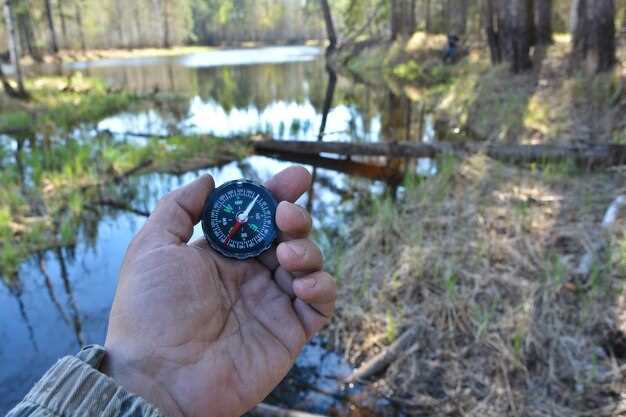
For every hunter, the thrill of the chase is paralleled by the essential need for safety. Venturing into the wilderness offers unique challenges, and getting lost can quickly transform an exhilarating experience into a perilous situation. Understanding how to navigate and maintain your bearings is crucial for a successful hunting trip.
Proper planning is the cornerstone of a safe hunting experience. Before heading out, it is vital to familiarize yourself with the terrain. Utilize topographic maps and GPS technology to identify key landmarks and establish a route. This preparation not only enhances your chances of success but also minimizes the risk of disorientation.
Additionally, it is important to adopt practical strategies while out in the field. Measures such as using scent-marked trails, staying in contact with fellow hunters via radio, and establishing consistent checkpoints can significantly elevate your safety. By implementing these straightforward tips, you can focus on your hunt with peace of mind, knowing you are taking necessary precautions to avoid getting lost.
Avoiding Getting Lost While Hunting: Practical Tips
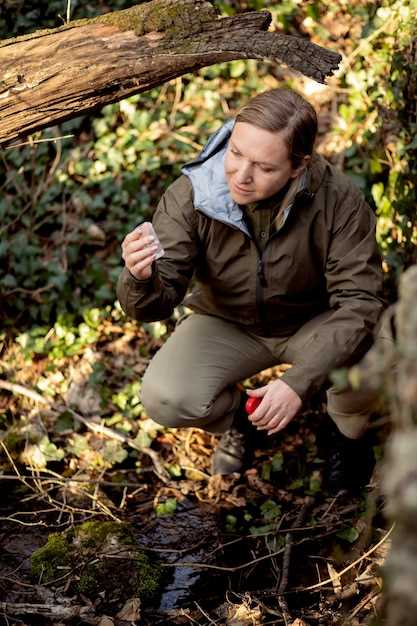
When venturing into the wilderness for hunting, safety should always be a top priority. To prevent becoming lost, it is essential for every hunter to follow specific guidelines. One of the most effective strategies is to familiarize yourself with the area before your hunt. Study maps and terrain details to identify landmarks and potential hazards.
Investing in a reliable GPS device or a smartphone application specifically designed for outdoor navigation can provide added security. Ensure your devices are charged, and consider carrying a portable charger. Always have a backup navigation method, such as a printed map and compass, in case of technology failure.
Before setting off, share your hunting plans with someone you trust, including your intended location and estimated return time. This simple act can significantly enhance your safety, as it ensures that someone is aware of your whereabouts in case of an emergency.
While hunting, regularly check your position relative to known landmarks. Making mental notes of your surroundings can help you navigate back if you stray too far. Also, create a mental map of the area, noting key features such as water sources, elevation changes, and distinct vegetation patterns.
Pay attention to the weather conditions and how they may affect visibility and terrain. Poor weather can disorient hunters, so plan your outings for optimal conditions. Additionally, avoid wandering too far from your group or designated path, and establish a system for staying together, such as setting specific meeting points.
If you do become disoriented, remain calm. Retrace your steps to the last known location, and use your navigation tools to find your way back. Recognizing the importance of staying safe and prepared can make all the difference in enjoying a successful hunting trip without the fear of getting lost.
Utilizing GPS and Maps for Accurate Navigation
In the world of hunting, ensuring your safety while navigating through unfamiliar terrains is paramount. Utilizing GPS technology and traditional maps can significantly enhance your navigation skills, reducing the risk of getting lost.
Firstly, GPS devices and applications on smartphones provide real-time location tracking. This allows hunters to pinpoint their exact position on the map, making it easier to understand the landscape. Always familiarize yourself with how your GPS works before heading out. Learn to create waypoints, which can be marked for important locations such as parking areas or your campsite. This feature helps in easily retracing your steps and ensures a safer return.
Secondly, integrating traditional topographic maps with your GPS is beneficial for navigation. While GPS is reliant on battery life and signal, maps remain a reliable backup. Understanding how to read contour lines, symbols, and scale on a map enhances your awareness of the environment. It can indicate elevation changes, water sources, and potential hazards that GPS technology may overlook.
Regularly updating your GPS software and maps is essential for accurate navigation. Outdated information may lead to confusion or misinterpretation of trails and roads. Ensure your devices are charged and carry portable power banks for extended trips.
Lastly, practice using GPS and maps before actual hunting trips. Simulating navigation scenarios can help build confidence and competence, ensuring you can navigate effectively in real-life situations. By mastering these tools, you will not only increase your chances of a successful hunt but also prioritize your safety in the wilderness.
Establishing Landmarks and Trail Marking Techniques
Effective navigation is crucial for any hunter aiming to avoid disorientation in unfamiliar terrains. Establishing clear landmarks can significantly enhance your ability to find your way back to your starting point. Identify prominent features such as unique trees, rock formations, or water bodies that stand out from the surrounding landscape. These natural markers should be easily recognizable and serve as reference points during your hunting expedition.
Additionally, trail marking techniques can be invaluable in preventing a hunter from getting lost. One effective method is to use biodegradable tape or ribbon to mark your path as you move. This allows for easy identification of your route when returning. Make sure to avoid over-marking, which can lead to confusion. Instead, place markers at strategic intervals, especially at turns or points where the trail branches off.
Another technique is to make use of natural materials. For example, you can create small piles of stones or arrange fallen branches to indicate direction. These markers can also blend into the environment to avoid attracting unwanted attention. Additionally, utilizing a map or compass or a GPS device can complement your orientation efforts, providing more accurate navigation amidst the wilderness.
In summary, the combination of establishing visible landmarks and employing effective trail marking techniques enhances a hunter’s navigation skills. By integrating these practices into your hunting routine, you can minimize the risk of losing your way and ensure a safer and more enjoyable experience in the field.
Implementing Safety Protocols for Solo and Group Hunts
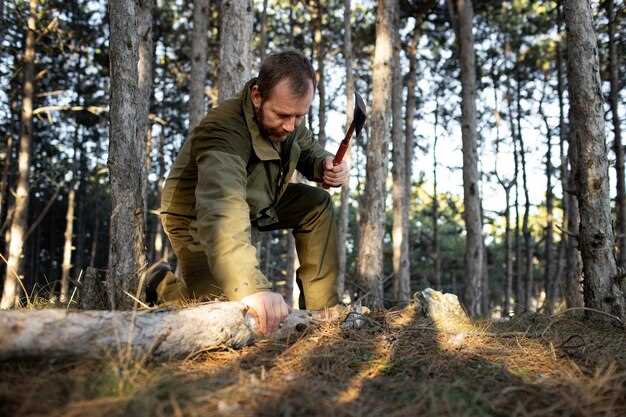
Ensuring safety during hunting requires careful planning and execution, whether hunting alone or as part of a group. Proper navigation and safety protocols can significantly reduce the risks associated with hunting excursions.
For solo hunters, adhering to the following safety measures is crucial:
- Informed Communication: Always inform someone about your hunting plans, including your location and estimated return time.
- Navigation Tools: Utilize maps, GPS devices, or smartphone apps to remain oriented in unfamiliar terrain.
- Safety Gear: Carry essential safety equipment including a first aid kit, signaling devices, and appropriate attire for the weather and environment.
- Emergency Plan: Have a clear plan for emergencies, including how to seek help if you become lost or injured.
Group hunts necessitate additional coordination and communication:
- Designate Roles: Assign specific roles (e.g., navigator, lookout) to each member for better organization and safety.
- Group Protocols: Establish rules for movement, such as staying within sight of each other and using hand signals or radios for communication.
- Shared Navigation Tools: Ensure all members have access to navigation tools and understand how to use them effectively.
- Regular Check-ins: Set regular times to check in with each other, especially if members separate for hunting different areas.
Adhering to these protocols enhances safety and navigation accuracy, allowing hunters to focus on their activity while minimizing risks. By maintaining communication and ensuring all members are equipped for safety, both solo and group hunts can be enjoyable and secure.