
When it comes to hunting, having the right tools can make all the difference in your experience and success. Among these essential tools, the hunting knife stands out as a crucial companion for both seasoned hunters and novices alike. A good hunting knife is not just a blade; it’s a multi-functional instrument that plays a vital role in various aspects of your hunting adventure, from field dressing game to preparing your meals in the wilderness.
Selecting the ideal hunting knife requires careful consideration of your specific needs and preferences. The market is flooded with various models, each designed for unique applications and environments. Factors such as blade material, size, weight, and design can significantly impact performance and usability. Understanding these elements can help you make an informed choice that aligns with your hunting style and the game you pursue.
In this article, we will explore the key attributes that define a quality hunting knife, ensuring you work with a tool that enhances your skills and enjoyment in the field. Whether you’re a bowhunter, rifle enthusiast, or a simple outdoor adventurer, finding the right knife tailored to your requirements can elevate your overall experience and efficiency during your hunting trips.
Understanding Blade Types for Specific Hunting Scenarios
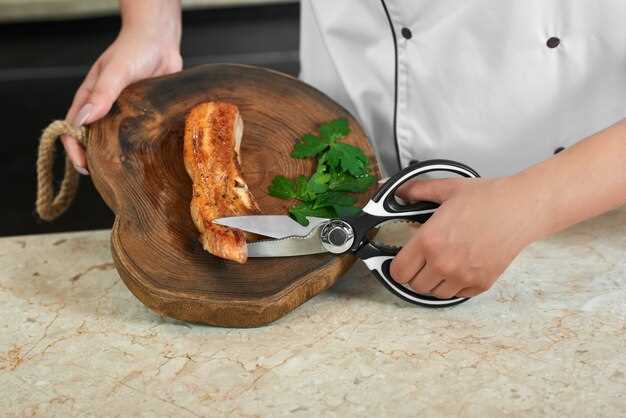
When selecting a hunting knife, understanding the different blade types is essential for optimizing performance in various scenarios. Each blade design caters to specific tasks in the field, enhancing your effectiveness as a hunter.
Drop Point Blades are among the most versatile knife types. Characterized by a lowered point, they provide excellent control for skinning and field dressing game. The broad belly allows for slicing through tough hide while maintaining precision. This blade is suitable for a range of hunting scenarios, making it a popular choice for both beginners and seasoned hunters.
Clip Point Blades feature a concave curve toward the tip, offering a sharp point ideal for piercing. This design excels in precision tasks, such as field dressing and gutting. Hunters who frequently process large game may find clip point knives particularly beneficial, as they enhance penetration without compromising slicing capability.
Flat Ground Blades are designed with a straight edge that tapers down to a sharp point. This style is excellent for tasks requiring a fine edge, making it advantageous for smaller game and intricate field work. The flat grind facilitates easier sharpening, ensuring your tool remains effective during extended hunting trips.
Scandi Grind Blades are designed with a single bevel that transitions smoothly from the flat of the blade to the edge. This makes for outstanding slicing capabilities, ideal for processing smaller animals or prepping game in the field. The design allows for exceptional control, enabling hunters to make precise cuts.
Hollow Ground Blades, featuring a concave shape, are particularly sharp and excel at slicing through softer materials. This blade type is beneficial when dealing with smaller game or when you need to make rapid cuts while field dressing. However, they may require more frequent sharpening compared to other blade types.
Understanding these blade types is crucial in selecting the right hunting knife for your needs. Each blade design serves distinct functions in various hunting scenarios, ensuring that you have the appropriate tools at your disposal in the field. Choose wisely, and your hunting experience will be significantly enhanced.
Selecting the Right Handle Material for Comfort and Grip
When choosing a hunting knife, the handle material plays a crucial role in ensuring comfort and a secure grip during field use. The right handle can enhance your performance and reduce fatigue, which is especially important during extended hunting trips.
One of the most common materials for knife handles is wood. Wooden handles offer a classic look and feel, providing warmth and a natural grip. However, they can be susceptible to moisture and temperature changes, which may affect durability. To ensure longevity, consider woods like micarta or stabilized wood, which have been treated for better resistance to environmental factors.
Plastic or polymer handles are favored for their durability and resistance to various elements. These materials often come textured or contoured, enhancing grip. Many modern hunting knives utilize materials such as G10 or FRN that provide excellent traction even when wet, making them ideal for outdoor use.
Metal handles, while less common, offer a robust and durable option. Stainless steel or aluminum can provide a sleek design and added weight, which some hunters prefer for balance. However, these materials can become slippery, so it is essential to choose handles with sufficient texturing or rubber inserts for improved grip.
Another important aspect to consider is ergonomics. The handle shape should fit comfortably in your hand to prevent blisters or discomfort during long hours in the field. Look for knives with contours that accommodate your fingers and provide a secure hold, especially when executing intricate tasks.
Ultimately, the best handle material for your hunting knife depends on personal preference, the type of hunting you will engage in, and the environmental conditions you may encounter. Testing different materials and designs will help you find the perfect balance of comfort, grip, and functionality for your specific needs.
Essential Features to Look for in a Field-Ready Hunting Knife
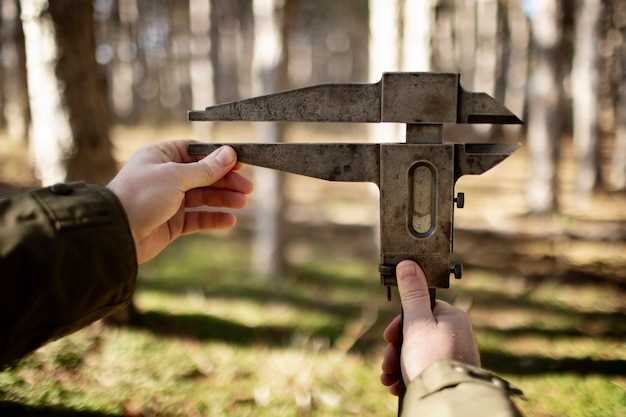
When selecting a hunting knife for use in the field, functionality and durability are paramount. One of the first features to consider is the blade material. The best hunting knives are often made from high-carbon stainless steel or high-carbon steel, which provide excellent edge retention and resistance to corrosion. This ensures that your knife remains effective in various weather conditions and remains sharp after sustained use.
Another critical aspect is the blade design. A drop-point blade is highly recommended for hunting due to its versatility. This design allows for precision control while skinning and field dressing game. Additionally, a blade length of 3 to 5 inches is typically ideal for maneuverability and ease of use in tight spaces.
The handle of the knife should also be examined closely. Comfort and grip are essential, especially in a field setting where the conditions can vary. Look for ergonomic handles made from materials like rubber or textured polymers that provide a secure grip, even when wet. This reduces the risk of slippage during critical tasks, ensuring safety and ease of use.
Weight is another important factor. A field-ready hunting knife should strike a balance between being lightweight for portability and sturdy enough to handle tough jobs. Generally, a knife weighing between 6 to 10 ounces is manageable for prolonged fieldwork while still ensuring durability.
Finally, consider the sheath. A good hunting knife should come with a durable sheath that protects the blade during transport and storage. Look for options made from nylon or leather with secure attachment methods, making it easily accessible when needed in the field.