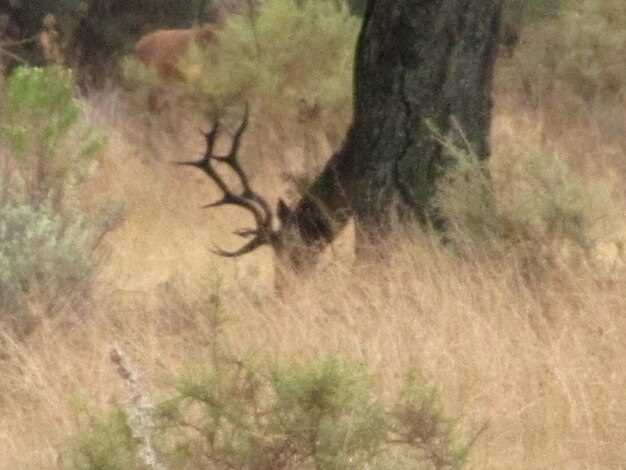
When it comes to tracking deer in rugged mountain landscapes, understanding the terrain is as crucial as mastering the art of tracking itself. The unique challenges posed by steep slopes, dense vegetation, and varying weather conditions can either hinder or enhance your tracking experience. A successful deer hunt in these environments demands a blend of patience, skill, and a keen observation of nature’s signs.
Deer are incredibly adaptive creatures that have evolved to survive in diverse habitats, including mountainous regions. To effectively track them, it’s important to recognize their patterns of movement, feeding habits, and bedding areas. In mountain terrains, deer often use natural features such as ridges and valleys to navigate. Being aware of these behaviors can significantly increase your chances of encountering these elusive animals.
This article will explore essential techniques and practical tips for tracking deer in mountain terrain. From understanding deer sign to selecting the best times for tracking, we will equip you with the knowledge needed to enhance your hunting skills. Whether you are a seasoned hunter or a beginner, mastering these strategies will help you navigate the complexities of mountain hunting and improve your success in tracking deer.
Identifying Key Signs of Deer Movement in Rocky Environments
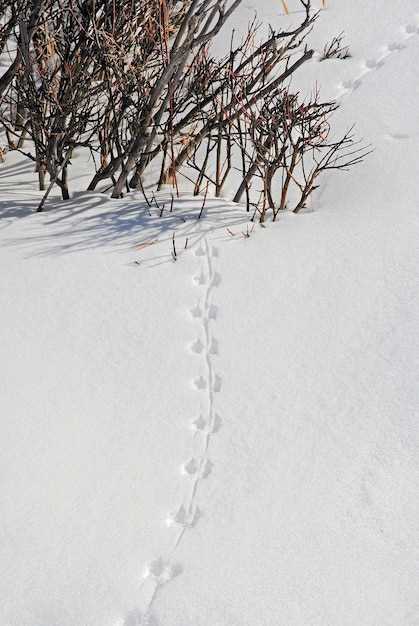
When tracking deer in rocky terrains, hunters must focus on specific signs that indicate their movement. One of the primary indicators is the presence of deer tracks. Look for distinct hoof prints in softer soil or areas with fine gravel, where the imprint can reveal the size and direction of the deer. Pay attention to the depth and clarity of these tracks; fresh tracks are more pronounced and often accompanied by disturbed vegetation.
Another vital sign to observe is deer droppings. Fresh feces will appear moist and dark, indicating recent activity. Analyzing the droppings can provide insights into the deer’s diet and state of health, helping hunters understand their feeding patterns. Additionally, look for areas where deer have been browsing on shrubs or tree branches, which may have telltale signs of nibbling or rubbing against bark.
In rocky environments, deer often create trails through low-lying shrubs or along the edges of elevations. These trails can become well-worn paths, indicating frequent movement. Pay attention to the width of the trails; broader paths suggest larger groups or dominant males. Furthermore, observe the surrounding area for any disturbances in the foliage, such as broken branches or cleared ground, which can signal deer activity.
Be aware of the sounds in the environment as well. Deer can be surprisingly stealthy, but specific noises, such as rustling leaves or snapping twigs, may indicate their presence. Listening closely when navigating rocky areas may reveal their movement. Additionally, if you see any deer tracks leading uphill or downhill, this can often correlate with feeding or bedding sites, helping you track their patterns effectively.
Finally, the scent is a crucial, though often overlooked, part of tracking deer. Wind direction plays a pivotal role in scent dispersal. If you start to smell a strong musky odor, particularly in secluded areas, it might suggest recent deer activity. Utilizing all these signs in conjunction will enhance your tracking effectiveness and improve your hunting success in rocky environments.
Choosing the Right Gear for Navigating Mountainous Hunting Areas
When tracking deer in mountainous terrain, selecting the appropriate gear is crucial for a successful and safe hunting experience. The right equipment enhances your ability to navigate challenging landscapes and increases your chances of locating deer. Here are essential items to consider:
Equip yourself with a reliable GPS device and a detailed map of the area. A compass can also be beneficial in case of electronic failure. To improve your chances of tracking deer, use scent-blocking sprays and store your gear in scent-proof bags. This will help in avoiding detection by the animals.
Additional gear considerations include:
Prepare for the unexpected by carrying a compact first aid kit. Safety should always be a priority in remote locations. Bring along your chosen weapon, whether it’s a bow, rifle, or crossbow. Ensure that you have the necessary accessories like ammunition, and additional arrows. Include a flashlight, multi-tool, and fire-starting materials to ensure you are prepared for emergencies.
Ultimately, the combination of appropriate clothing, reliable navigation tools, and hunting gear will greatly enhance your ability to track deer effectively in mountainous areas. Always tailor your gear choices to the specific environment and conditions you anticipate encountering during your hunting adventures.
Utilizing Weather Patterns to Enhance Deer Tracking Success
Understanding weather patterns is crucial for effective deer tracking in mountainous terrain. Weather conditions can significantly influence deer movement, behavior, and visibility. By analyzing these patterns, hunters can optimize their tracking strategies.
Temperature plays a vital role in deer activity. Deer are more active during cooler parts of the day, especially during dawn and dusk. In hot weather, they may seek shelter in shaded areas, making tracking more challenging. Plan your outings during the early morning or late evening to align with their natural behaviors.
Additionally, rainfall can impact deer movement. Light rain may encourage deer to move around as they feel safer from predation. However, heavy rain can create muddy conditions, hindering tracking efforts. Monitor rain forecasts to time your tracking expeditions effectively.
Wind direction also affects deer behavior. Always approach from downwind to avoid alerting deer to your presence. In mountainous terrain, understanding how wind patterns change can help you make strategic decisions on your tracking route.
Barometric pressure can influence deer activity as well. Deer tend to be more active before a storm due to rising pressure. Use weather apps to track these changes and plan your hunts accordingly. By capitalizing on favorable weather conditions, you can significantly enhance your chances of successful deer tracking.
In summary, leveraging weather patterns can greatly improve your effectiveness in tracking deer across mountain terrain. Paying attention to temperature, rainfall, wind direction, and barometric pressure will help you anticipate deer movements and increase your success rate.