Embarking on your first moose hunt can be both an exhilarating and daunting experience, especially for a beginner. Having the right guide can make all the difference in ensuring your adventure is not only successful but also safe. Moose hunting requires a unique set of skills, knowledge, and preparation, and understanding these components is essential for any novice hunter.
First and foremost, familiarizing yourself with the moose’s habitat and behavior is crucial. Knowing where to find moose, what they feed on, and their active times will significantly enhance your chances of a successful hunt. Consult with experienced hunters or guides to gain insight into local conditions and the best practices for tracking these majestic animals.
Another important aspect is getting the appropriate gear and equipment. As a beginner, it’s vital to invest in quality hunting gear, including a reliable rifle, optics, and clothing suited for the elements. Moreover, consider the safety measures necessary for the wilderness, such as a first-aid kit and navigation tools. Preparation will not only boost your confidence but also ensure you are ready for any situation that may arise during your moose hunting expedition.
Understanding Moose Behavior and Habitat
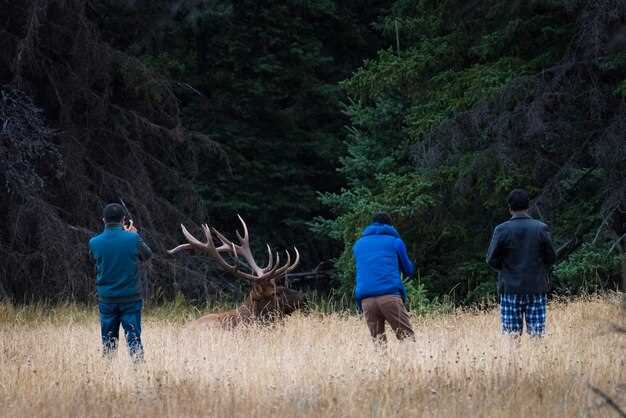
For a beginner preparing for their first moose hunt, understanding moose behavior and habitat is crucial. Moose are large, solitary animals that exhibit specific patterns influenced by their environment. They predominantly inhabit forested areas, particularly in regions with abundant vegetation such as willows, aspens, and alders. These plants serve as a primary food source, making wetland areas, bogs, and riverbanks ideal locations to find them.
Moose are most active during dawn and dusk, known as crepuscular behavior. This is the best time for hunters to observe and potentially encounter these majestic animals. During warmer months, moose often seek shade and cool water, leading them to lakes and streams. For beginners, scouting these areas can provide valuable insights into moose activity and travel patterns.
Understanding the mating season, or rut, is also essential for novice hunters. Typically occurring in late September to early October, this period sees increased moose activity as males become more vocal and aggressive in search of females. During this time, calling techniques can be effective for attracting moose, making it a strategic phase for beginner hunters to engage with their guide.
Being aware of moose behavior in relation to weather conditions is also important. During inclement weather, moose may venture to open areas to feed, while calm and sunny days may keep them hidden in dense cover. A guide can provide tips on how to interpret these behaviors and adapt hunting strategies accordingly, maximizing the chances of a successful hunt.
Essential Gear and Equipment for Beginners
When preparing for your first moose hunt, having the right gear is crucial for both safety and success. Here’s a list of essential equipment every beginner hunter should consider.
1. Firearm or Bow: Choose a reliable hunting rifle or a compound bow suitable for moose. If you opt for a firearm, ensure it has sufficient caliber power, typically .270 or larger. For archery, a draw weight of at least 60 pounds is recommended. Always practice with your weapon before the hunt.
2. Ammunition or Arrows: Bring high-quality ammunition or arrows that are specifically designed for big game hunting. Ensure you have enough supply for your trip, considering that sight adjustments may be necessary.
3. Hunting Clothing: Dress in layers to accommodate changing weather conditions. Invest in waterproof and insulated outer layers, along with blaze orange for visibility. Remember to wear sturdy, waterproof boots suitable for various terrains.
4. Backpack: A comfortable and durable backpack is essential for carrying your gear, food, and water. Look for one with enough capacity to accommodate all your essentials without being overly bulky.
5. Navigation Tools: Equip yourself with a reliable GPS device or a detailed map and compass. Familiarize yourself with the hunting area in advance, and consider downloading offline maps for areas with poor cell reception.
6. First-Aid Kit: A basic first-aid kit is a must for any hunting trip. Ensure it includes bandages, antiseptics, pain relievers, and any personal medications you may need.
7. Calls and Scents: Moose calls can greatly enhance your chances of attracting moose. Research various calls and scents that entice moose, such as cow calls or rutting scents, especially during mating season.
8. Game Processing Tools: Bring essential tools for processing your moose, including knives, a saw, and a game bag. Familiarize yourself with how to field dress a moose before your hunt.
9. Hammock or Tent: Depending on your hunting style, you may need a portable shelter for overnight trips. A hammock is lightweight and easy to set up, while a tent offers more protection from the elements.
10. Hunting License and Tags: Ensure you have the required permits and tags for moose hunting in your area. Review local hunting regulations to comply with the law.
Being well-prepared with the right gear can significantly impact your first moose hunting experience. Take the time to gather these essential items and practice your skills beforehand, ensuring a safe and enjoyable hunt.
Effective Techniques for Calling and Tracking Moose
Successfully calling and tracking moose requires a combination of skill, patience, and the right techniques. For beginners, understanding the behavior and vocalizations of moose is crucial. Here are some effective methods to enhance your moose hunting experience.
Moose Calling Techniques
One of the most effective ways to attract moose is through calling. Use a moose call that mimics the sound of a cow in estrus or a bull’s grunt. A high-quality call can make a significant difference. Practice using the call to ensure your sounds are realistic. Consider these specific techniques:
- Cow Calls: Reproducing the sound of a cow moose can attract bulls, especially during the rutting season. Use short, loud sequences to grab their attention.
- Bull Grunts: A deep, resonant grunt can lure in curious bulls. This should be used sparingly as a strong, frequent call may scare them away.
- Location: Choose your calling spots wisely, ideally near water sources, trails, or feeding areas. Mooses are likely to respond best in these areas.
Tracking Techniques
Tracking moose requires keen observation and patience. Here are key techniques to help you locate these massive animals:
- Look for Sign: Moose leave behind distinct tracks, droppings, and browsing signs such as stripped bark on trees. Familiarize yourself with these indicators.
- Time of Day: Moose are most active during dawn and dusk. Plan your hunts accordingly to increase chances of spotting them.
- Stay Silent: Move quietly through the woods and pay attention to your surroundings. Moose can hear well and are easily startled.
Combining effective calling with diligent tracking will greatly improve your success rate in locating moose. Consulting a knowledgeable guide in your region can provide additional insights and increase your confidence as a beginner in the moose hunting experience.