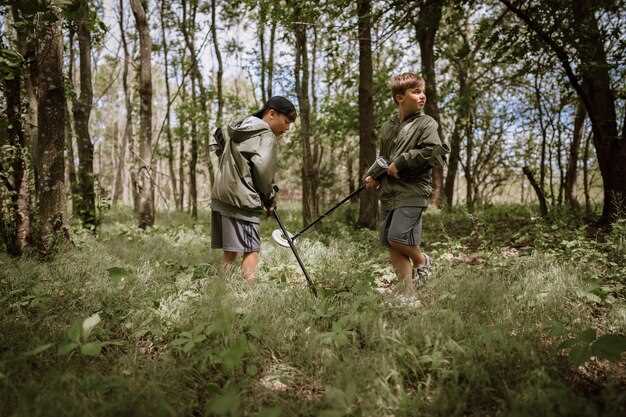
When it comes to hunting, two primary approaches dominate the landscape: DIY hunts and guided hunts. Each method offers unique advantages and challenges that can significantly affect the overall experience and outcome. Understanding these differences is essential for hunters looking to maximize their time in the field.
A DIY hunt allows hunters to take full control of their experience, from planning the trip to executing the strategy. This independence can lead to greater satisfaction when successfully harvesting game. On the flip side, the lack of guidance can also result in challenges such as navigating unfamiliar terrain, understanding animal behavior, and ensuring safety in remote locations.
In contrast, guided hunts provide the expertise of seasoned professionals who possess in-depth knowledge of local ecosystems, game patterns, and hunting regulations. This can significantly increase the likelihood of a successful hunt, especially for novice hunters. However, the reliance on a guide can come with a higher price tag and may limit the sense of adventure that many find appealing in the hunting experience.
By weighing the pros and cons of both DIY and guided hunts, individuals can make informed decisions that align with their personal preferences, skill levels, and budget, ultimately enhancing their hunting endeavors.
Cost Comparison: DIY Hunting vs Guided Hunts
When considering hunting options, one of the primary factors to evaluate is the cost. DIY hunting generally involves lower direct expenses. Hunters can save money on guide fees, which often range from several hundred to several thousand dollars depending on the location and the level of service provided. Additionally, DIY hunts may allow for more flexibility in terms of trip duration and location, enabling hunters to select budget-friendly alternatives.
However, guided hunts come with their own financial considerations. While they require a higher upfront investment, the benefits often offset these costs. Professional guides can provide access to exclusive land, specialized knowledge about local wildlife, and the necessary equipment rentals, which can minimize the likelihood of a missed opportunity. The assurance of a well-organized hunt can also lead to a higher success rate in terms of game harvested, potentially making the guided experience more cost-effective in the long run.
Another aspect to consider is the hidden costs associated with each option. DIY hunters may encounter unforeseen expenses, such as travel costs for scouting trips, equipment purchases, and potential permits. In contrast, guided hunts typically consolidate these expenses into a package, providing a clearer overall financial picture. Ultimately, the choice between DIY hunting and guided hunts hinges on individual preferences, experience levels, and willingness to invest in time versus money.
Skill Development Opportunities in DIY and Guided Hunts
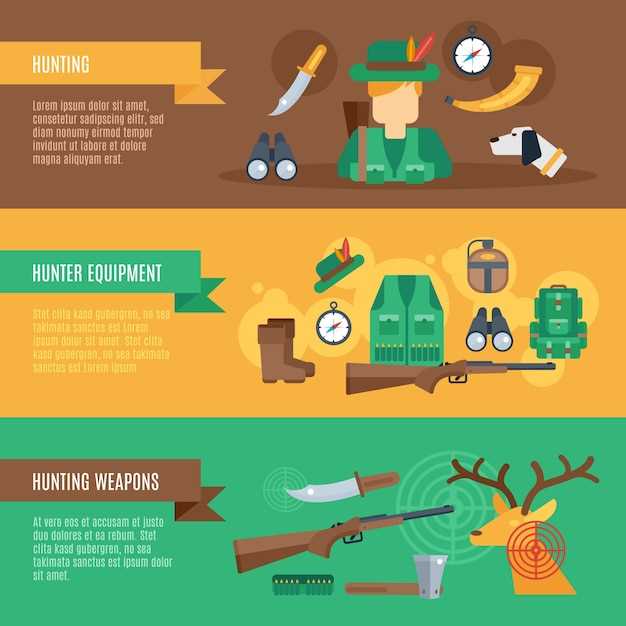
Participating in hunting activities offers various opportunities for skill development, with distinct experiences arising from both DIY and guided hunts. Each approach fosters unique skills that can enhance a hunter’s proficiency and enjoyment of the sport.
DIY hunting challenges individuals to develop a comprehensive skill set from the ground up. One of the primary benefits is the necessity to learn about local flora and fauna, which deepens the understanding of animal behavior and habitat. This self-directed approach encourages hunters to enhance their tracking and marksmanship skills, forcing them to adapt and innovate in the absence of a guide. Through scouting, setting up personal blinds, and understanding the intricacies of scent control, hunters cultivate a robust skill set that directly correlates to successful hunts.
Moreover, DIY enthusiasts often gain valuable experience in camping and survival skills. Preparing for a trip requires meticulous planning and execution, enhancing logistical and organizational abilities. Learning how to navigate, set up camp, and deal with unforeseen circumstances fosters resilience and resourcefulness, critical traits for any sporting enthusiast.
In contrast, guided hunts present opportunities for skill development through professional instruction. By working alongside experienced guides, hunters acquire techniques and tips that might take years to learn independently. These guides can provide immediate feedback on shooting techniques, proper gear usage, and safety protocols, significantly accelerating the learning curve.
The presence of a knowledgeable mentor allows individuals to focus on specific skills such as ethical hunting practices and field dressing techniques, which are essential for both safety and conservation. Additionally, guided hunts often provide access to premium locations and equipment, allowing participants to experience high-quality hunting scenarios that may be unattainable through DIY methods.
Ultimately, whether one chooses DIY or guided hunts, the experience enhances both skills and knowledge in the hunting domain. Understanding the benefits and drawbacks of each can help individuals tailor their hunting experiences to maximize personal growth and development.
Access to Locations and Resources for Hunting Styles

When considering different hunting styles, access to prime locations and essential resources is a critical factor that can significantly impact the overall experience. For those who prefer guided hunts, professional outfitters often have exclusive access to private lands and game-rich environments that may not be easily reachable by independent hunters. This access ensures a higher chance of success, as guides often know the best spots based on years of experience and local knowledge.
In contrast, DIY hunting requires individuals to research and scout locations themselves. While this can be rewarding and offer a greater sense of accomplishment, it also demands significant time investment in identifying areas with abundant wildlife. DIY hunters may need to rely on public lands or less popular spots, which can pose challenges regarding deer density and competition from other hunters.
Resource availability is another aspect where these hunting styles differ. Guided hunts typically provide all necessary equipment, transportation, and often meals, allowing hunters to focus purely on the hunt. In opposition, DIY hunters must procure their own gear, often leading to higher upfront costs and the necessity of understanding what equipment is essential for their desired outcomes. This self-sufficiency can be both a benefit and a drawback, as it offers freedom but also places the burden of preparation squarely on the hunter’s shoulders.
Furthermore, guided hunts usually offer expert advice on local regulations and hunting techniques, enhancing the overall experience by minimizing the learning curve associated with new areas. Conversely, the learning process in a DIY setup can lead to valuable skills being acquired, making future hunts more fruitful and enjoyable. Ultimately, the choice between guided and DIY hunting hinges on personal preferences regarding location access, resource management, and desired levels of support during the hunt.