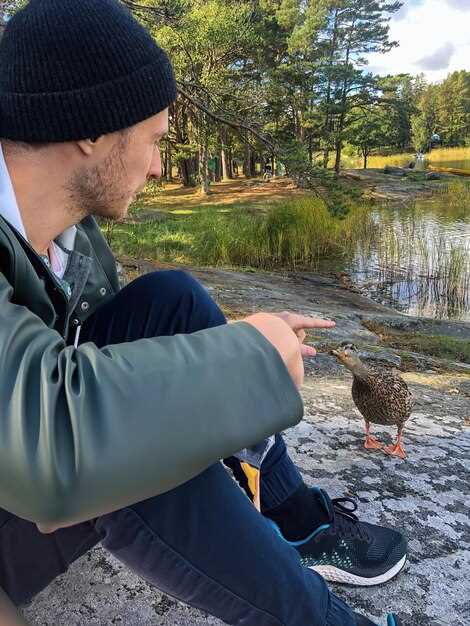
The majestic mountains of the Rocky Range provide an exceptional backdrop for waterfowl hunting, making it vital for enthusiasts to hone their scouting skills. Understanding the diverse habitats and migratory patterns of these birds is essential for a successful outing in this rugged terrain. With variation in elevation, climate, and ecosystem, scouting in the Rockies demands a strategic approach tailored to both the environment and the species targeted.
Waterfowl tend to thrive in specific locations within the Rocky Mountains, often favoring wetland areas, riverbeds, and lakeshores. Identifying potential spots where birds frequent allows hunters to maximize their chances. Observations during different times of the day can reveal movement patterns and feeding behaviors, providing crucial insights for when to plan a hunt. Additionally, being mindful of the rocky terrain and its unique features is vital, as it impacts both the accessibility of certain locations and the presence of wildlife.
Proper scouting not only enhances the likelihood of success in hunting but also deepens the appreciation for the stunning natural beauty of the Rockies. As you prepare for your next adventure, consider these top tips to guide your scouting efforts, ensuring a more rewarding experience in one of North America’s most breathtaking landscapes.
Identifying Key Habitats for Waterfowl in the Rocky Mountains
In the Rocky Mountains, waterfowl find refuge in diverse habitats that are crucial for their survival. Understanding these key habitats is essential for effective scouting and successful hunting. Lakes, rivers, and marshes serve as primary environments where waterfowl congregate for feeding, nesting, and resting.
High-altitude lakes and reservoirs are often surrounded by mountain ranges, offering food sources such as aquatic plants and small fish. These waters are particularly attractive during migration periods when waterfowl seek stopover sites. When scouting these areas, examine the edges for signs of activity, including feathers and droppings.
Rivers flowing through the Rockies create vital corridors for waterfowl. The presence of slow-moving stretches with ample vegetation not only provides shelter but also sustains a variety of fish and insects, which are essential food for various species. Observing areas where banks are less steep can reveal vital habitats where waterfowl might choose to land.
Wetlands in the foothills and valleys are also critical for nesting. These marshy areas support a rich biodiversity and act as natural filters, improving water quality. Scouting in spring can yield insights into which wetlands are currently used for nesting, especially in locations where tall grasses and reeds offer concealment.
Finally, agricultural fields adjacent to water sources attract waterfowl looking for food, particularly during migration. Identifying fields that are recently plowed or planted can enhance scouting efforts, as these locations often serve as feeding grounds. By recognizing and prioritizing these key habitats, hunters can improve their chances of successful scouting and maximize their waterfowl encounters in the Rocky Mountains.
Timing Your Scouting Trips for Optimal Waterfowl Activity
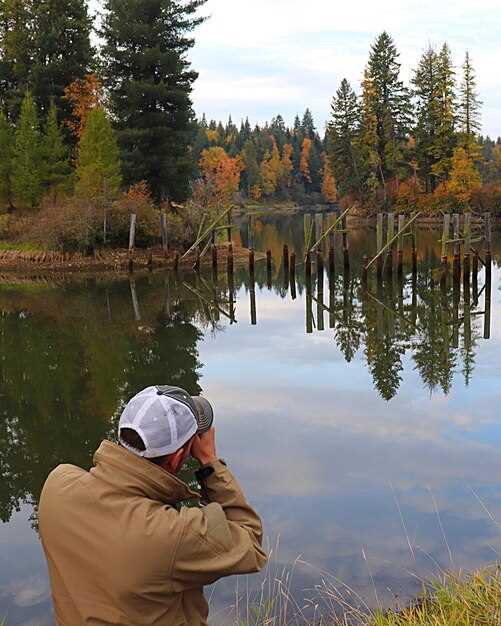
When planning your scouting trips in the Rocky Mountains, timing is crucial for successful waterfowl observation. Understanding the seasonal patterns of these birds can significantly enhance your scouting effectiveness. Early morning and late evening are typically the best times for waterfowl activity, as ducks and geese are often most active during these hours, searching for food and engaging in behaviors related to mating and territory establishment.
Seasonality also plays a vital role in timing your trips. In the Rockies, waterfowl migration generally peaks during the fall and spring months. Scouting trips scheduled around these critical migration windows will yield the highest chances of encountering a diverse range of species. Additionally, pay attention to local weather conditions, as overcast days or steady rain can lead to increased activity among waterfowl, making these less-than-ideal conditions opportunities for successful scouting.
In the mountainous terrain, consider the time it takes to reach your scouting spots. Due to elevation changes, certain areas may be more accessible at different times of the year as snow melts or vegetation thickens. Regularly check water sources in the region, as water levels can greatly influence where waterfowl gather. Monitoring these changes will allow you to identify the optimal locations for your scouting trips.
Lastly, factor in the lunar cycle. Waterfowl activity can be influenced by moon phases, with a full moon sometimes resulting in decreased activity during prime hours. Scheduling your scouting efforts around the first or last quarter moon can prove beneficial as birds may be more active in lower light conditions. By carefully timing your scouting trips, you maximize your chance of a successful outing in the dynamic environment of the Rockies.
Using Technology and Tools to Enhance Your Waterfowl Scouting
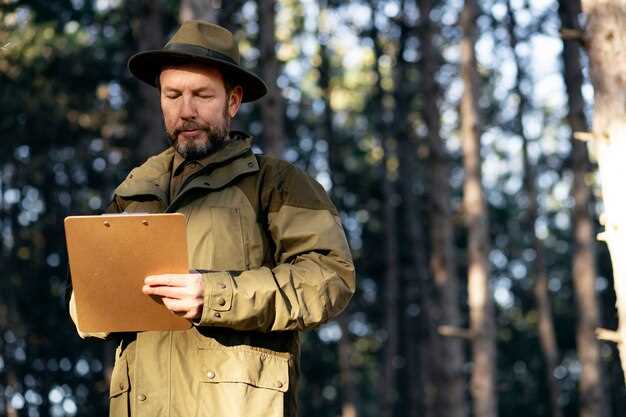
In the vast and rugged terrains of the Rocky Mountains, effective scouting for waterfowl has been revolutionized by modern technology. Utilizing various tools can significantly improve your chances of locating and understanding the behaviors of these elusive birds.
Mobile Applications have become indispensable for waterfowl enthusiasts. Applications like Huntwise or OnX Hunt provide detailed maps, showing public and private land boundaries, water sources, and even real-time weather updates. This can help you identify ideal spots for scouting in the mountains and plan your outings more efficiently.
Trail Cameras serve as an excellent resource for monitoring waterfowl activity without disturbing their natural habitats. By setting up cameras near known feeding or resting locations, you can gather crucial data on bird movements and patterns, allowing for more informed decisions during your scouting trips.
Drone Technology is another cutting-edge tool that can elevate your scouting efforts. Drones allow you to survey large areas quickly and efficiently, providing a bird’s-eye view of potential waterfowl habitats in the mountains. They can be particularly useful in inspecting remote locations that are otherwise difficult to access on foot.
Additionally, binoculars equipped with digital imaging capabilities can enhance your observational abilities. These tools allow for closer inspection of distant flocks, helping you determine species and flock size without disturbing them.
Finally, utilizing social media platforms and online forums can provide invaluable insights from fellow hunters and scouts. Sharing tips, recent sightings, or even local conditions can keep you informed and increase your scouting effectiveness in the Rockies.
By embracing these modern technologies and tools, waterfowl enthusiasts can significantly enhance their scouting strategies, leading to more successful outings in the breathtaking mountain landscapes.