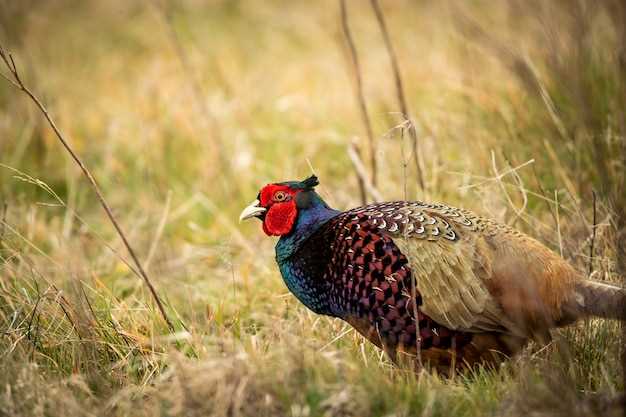
Spring is a prime season for turkey hunting, as the wild turkey emerges from its winter slumber, making it an exciting time for avid hunters. With their mating season in full swing, male turkeys, or toms, are often more active and vocal, providing unique opportunities for hunters to secure their prize. However, success in turkey hunting requires more than just luck; it’s essential to have a well-thought-out strategy and the right gear.
In this article, we will delve into essential tips for spring turkey hunting, focusing on aspects such as understanding turkey behavior, choosing the optimal location, and mastering calls to attract your target. Additionally, we will explore the gear you need to ensure a successful hunt, including the right firearms, camouflage clothing, and essential accessories that can enhance your experience in the field.
By combining the right techniques with quality equipment, hunters can increase their chances of success during the exciting spring turkey season. Whether you’re a seasoned hunter or a beginner, these spring turkey hunting tips and gear recommendations will help you make the most out of your time in the great outdoors.
Choosing the Right Location for Spring Turkey Hunts
Selecting the ideal location for your spring turkey hunting is crucial for a successful outing. Turkeys are creatures of habit, often returning to the same roosting and feeding areas daily. Therefore, scouting is essential. Look for signs of turkey activity, such as droppings, feather remnants, and scratchings on the ground.
Focus on areas with a mix of open fields, dense cover, and water sources. Turkeys often feed in fields during the morning and return to roost in trees by evening. Understanding their daily patterns will help you select strategic spots for your setup. Proximity to their roosting sites can increase your chances significantly.
Consider the wind direction when choosing your spot. Turkeys have excellent vision, and if they catch your scent in the wind, your chances of success will diminish. Ensure you position yourself downwind from where you expect the turkeys to approach.
Look for natural funnels or terrain features that lead to feeding or roosting areas. Proximity to roads and pathways can also be beneficial, as these locations are often frequented by hunters and can create predictable turkey movements. Lastly, avoid crowded areas; finding a less pressured spot can greatly increase your chances of encountering birds.
Must-Have Gear and Equipment for Successful Turkey Hunting
When preparing for spring turkey hunting, having the right gear and equipment can significantly enhance your chances of success. Here are essential items that every turkey hunter should consider.
Firstly, a quality shotgun or bow is crucial. For shotgun hunters, a 12 or 20-gauge shotgun with a full choke is ideal for achieving accuracy at a distance. Those preferring archery should select a well-balanced bow with a high draw weight, ensuring they can take down a turkey effectively.
Next, turkey calls are vital tools for luring in these birds. A variety of calls, such as mouth calls, slate calls, and box calls, allow hunters to mimic the sounds of turkeys accurately. Practicing with these calls before the hunting season will improve your effectiveness in the field.
Camouflage clothing is another must-have. Wearing full camouflage suits, including masks and gloves, helps hunters blend in with their surroundings, minimizing detection by wary turkeys. Additionally, waterproof and breathable materials keep hunters comfortable in varying spring weather conditions.
Don’t overlook the importance of a comfortable seat or ground blind. A good seat provides stability during long waits, allowing you to stay alert. Ground blinds offer concealment and protection from the elements, giving you an advantage when waiting for turkeys to approach.
A reliable pair of binoculars can enhance your spotting abilities. Using binoculars allows you to identify turkeys from a distance without alarming them, helping to plan your approach effectively.
Lastly, a well-stocked backpack is essential for carrying extra gear such as water, snacks, a first aid kit, and essential accessories like extra shells or arrows. Being well-prepared ensures that you can focus entirely on the hunting experience.
By equipping yourself with these must-have items and following proven tips tailored for spring hunting, you can increase your odds of a successful turkey hunt.
Calling Techniques to Attract Spring Turkeys
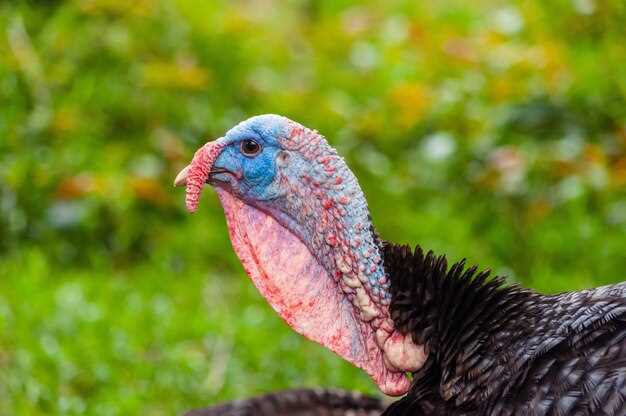
Effective calling is essential for successful spring turkey hunting. Understanding the various calling techniques can significantly increase your chances of attracting these birds. Here are some practical tips to enhance your hunting experience.
First, familiarize yourself with different types of turkey calls. The most common calls include the locator call, hen call, and gobbler call. Each serves a specific purpose in attracting turkeys. A locator call, such as an owl hoot or crow call, can help determine the location of turkeys at dawn, while hen calls imitate the sounds made by female turkeys, enticing male gobblers.
Timing is crucial. Spring mornings are the most active time for turkeys, as they are likely to respond better to calls early in the day. Employ a soft, rhythmic calling style initially, then gradually increase volume and intensity as you gauge the turkeys’ reactions. Listen carefully for gobbles in response to your calls, which can indicate the presence of interested males.
Practice your techniques regularly. Consistency in your calling will help create a more realistic sound. Invest in quality calls that suit your skill level, whether you prefer mouth calls, box calls, or slate calls. Each type requires different techniques and practice, but all can be effective when used correctly.
Use the terrain to your advantage. Position yourself where turkeys naturally travel, such as near feeding areas or along their roosting paths. This strategic placement allows your calls to carry effectively, increasing the likelihood of a response.
Finally, be patient and adaptable. Turkeys can be unpredictable, and sometimes it takes multiple calling sequences to draw them in. If your initial calls do not yield results, try varying your approach with different sounds or changing your location. Each hunt is unique, so adjust your strategy based on the turkeys’ behavior and responses.