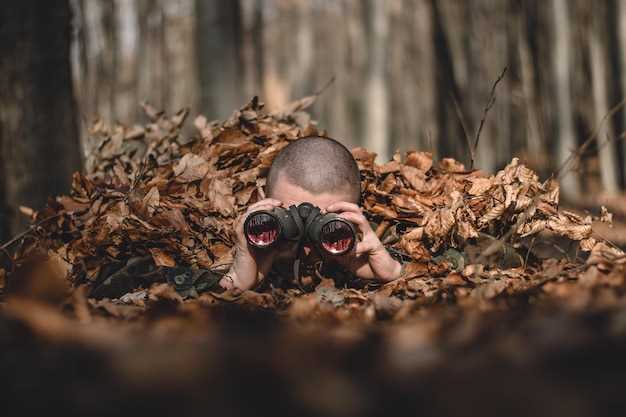
When venturing into the wilderness, every hunter must prioritize their survival by recognizing the potential hazards posed by unpredictable weather conditions. From sudden storms to extreme temperatures, understanding these dangers is crucial for ensuring a safe and successful hunting experience. Ignoring weather-related threats can not only jeopardize your hunt but also your life.
Hunters are often at the mercy of nature, and being unprepared for adverse weather can lead to dire consequences. This article will explore various weather hazards that can catch hunters off guard, offering insights on how to anticipate and respond to these challenges. By being informed, hunters can enhance their survival skills and make well-informed decisions during their expeditions.
Recognizing the impact of weather on wildlife movement and visibility is equally important. Adverse conditions can significantly alter animal behavior and habitat use, affecting your hunting success. Thus, understanding how to interpret weather signals not only aids in personal safety but also improves hunting effectiveness.
Identifying and Preparing for Sudden Weather Changes

Sudden weather changes can pose significant hazards for hunters, impacting visibility and safety during excursions. Awareness of weather patterns is crucial. Familiarize yourself with local climate characteristics and seasonal variations to stay ahead of potential shifts.
Monitor weather forecasts regularly, utilizing reliable sources such as meteorological services or mobile applications specifically designed for outdoor activities. Keep an eye on key indicators, such as temperature drops, increased wind speeds, and sudden cloud formations, which may signal an impending storm.
Before heading out, prepare essential survival gear that accommodates unpredictable conditions. Waterproof clothing, insulated layers, and emergency shelters can be lifesavers. Carry a first aid kit and a means of communication to alert others in case of unforeseen emergencies. Additionally, ensure your gear is adaptable; for instance, pack extra food and water, as sudden weather changes may prolong your trip.
Develop a plan for sheltering from severe weather. Identify safe locations where you can take refuge, such as natural caves or thick woods. Establish a protocol for monitoring conditions while in the field, allowing for adjustments to your hunting strategy if necessary.
Finally, maintain a flexible mindset. The ability to adapt quickly to changing weather conditions is a crucial skill for any hunter. Prioritize safety over pursuit; if weather hazards become too severe, it may be wise to postpone your hunting activities until conditions improve.
Understanding the Risks of Extreme Temperatures
Extreme temperatures present significant hazards for hunters, affecting both safety and performance during excursions. Awareness of these risks is essential for planning and executing a successful hunt.
In cold environments, hunters face the danger of hypothermia and frostbite. Prolonged exposure to frigid conditions can decrease body temperature to life-threatening levels, impairing cognitive function and physical ability. Proper clothing, including insulated, moisture-wicking layers, is crucial to minimize heat loss. Additionally, keeping dry is essential, as wet conditions exacerbate the cold.
Conversely, high temperatures can lead to heat-related illnesses, such as heat exhaustion and heat stroke. As physical activity intensifies in the heat, the risk of dehydration rises sharply. Hunters must ensure they drink ample water and take regular breaks in shaded areas. Lightweight, breathable clothing can help manage body temperature and prevent overheating.
Extreme temperatures also impact wildlife behavior. In colder conditions, animals may seek shelter, making them harder to locate. In hot weather, animals tend to be more active during cooler parts of the day, affecting hunting schedules. Understanding these patterns is key to maximizing hunting opportunities while minimizing risks associated with temperature extremes.
Ultimately, recognizing and preparing for the hazards posed by extreme temperatures enhances safety and success during hunting trips. Hunters should always stay informed about weather conditions and adjust their strategies accordingly to ensure a safe and enjoyable experience in the field.
Navigating Hazardous Conditions: Rain, Snow, and Fog
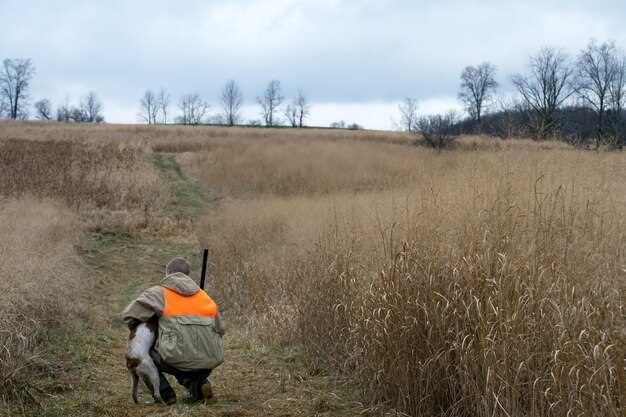
Weather can significantly impact your hunting experience, particularly when it comes to rain, snow, and fog. Each of these elements presents unique challenges that every hunter needs to understand and prepare for to ensure a safe and successful outing.
Rain can create slippery terrain and reduced visibility. When hunting in wet conditions, it’s essential to wear waterproof gear to stay dry and maintain body heat. Wet ground can also change animal movement patterns, as many species tend to be more active during light rain. Use this to your advantage by tracking their movements, but always be cautious of muddy trails that can become treacherous.
Snow adds another layer of complexity to the hunting environment. Fresh snowfall can obscure trails, making it harder to locate your prey. However, snow also allows for easier tracking as it captures footprints and other signs of animal activity. Ensure your hunting boots are insulated and have good traction to navigate icy surfaces. It’s vital to recognize the signs of hypothermia and frostbite, as prolonged exposure can lead to serious survival issues in extreme cold.
Fog drastically reduces visibility, complicating navigation and target identification. When hunting in foggy conditions, use additional auditory cues, such as calls, to locate and identify animals. Always keep a low profile and move slowly to avoid startling your quarry. Carry a compass or GPS device to prevent getting lost in the dense mist, which can quickly disorient even the most experienced hunters.
Preparing for these hazardous conditions involves not just the right gear but also a solid understanding of the environment. Always check weather forecasts before heading out and heed any warnings. By adapting your strategies to cope with rain, snow, and fog, you enhance your chances of a successful hunt while ensuring your safety in the wilderness.