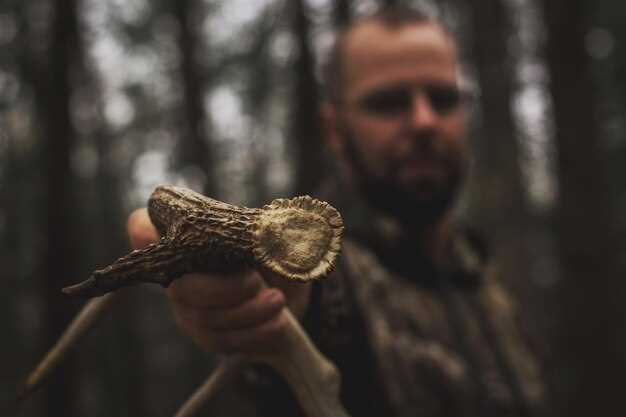
For hunting enthusiasts, few experiences rival the thrill of pursuing a trophy mule deer. These magnificent creatures are not only known for their impressive antlers but also for their elusive nature, making them a cherished target among hunters. Whether you’re a seasoned pro or a newcomer to the sport, understanding the key aspects of a successful trophy mule deer hunt is essential.
Knowing the landscape is vital when preparing for a mule deer hunt. Born in rugged terrains, mule deer are often found in mountainous areas, making their habitats both challenging and rewarding for hunters. Familiarity with the terrain can significantly increase your chances of spotting and tracking these majestic animals. Additionally, staying informed about local regulations and hunting seasons will ensure a lawful and ethical approach to your hunt.
The right equipment is equally crucial for a successful trophy mule deer hunt. Selecting the proper firearms, ammunition, and optics can drastically affect your accuracy and effectiveness in the field. Furthermore, investing time in practice and honing your skills prior to the hunt will better prepare you for the inevitable challenges that arise while tracking these elusive deer.
In summary, embarking on a trophy mule deer hunt requires thorough preparation and knowledge. From understanding the environment to ensuring you’re equipped for success, each element plays a significant role in the overall experience. By taking these factors into account, you’re not only increasing your chances of bagging a trophy but also enriching your hunting adventure.
Trophy Mule Deer Hunt: What You Need to Know
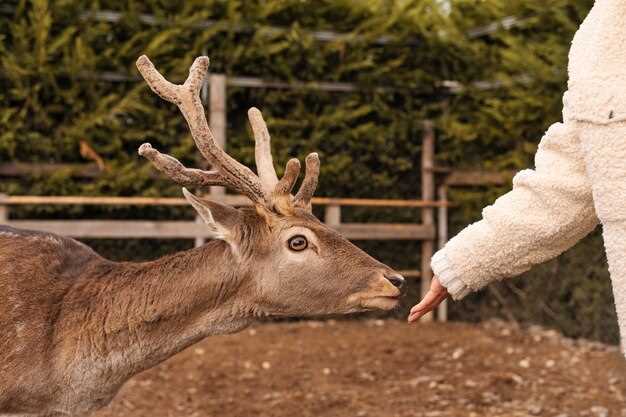
Trophy mule deer are among the most sought-after game animals for avid hunters. Understanding the characteristics and behavior of these deer is crucial for a successful hunt. Mule deer are distinguished by their large ears and forked antlers, which set them apart from whitetail deer. They inhabit various terrains, including mountainous areas, dense forests, and open plains, making it essential to know their preferred habitats.
Timing plays an important role in your hunt. The best period for hunting mule deer typically falls during the rut, which occurs in late October to early December. During this time, male deer are more active and visible, increasing your chances of spotting a trophy buck. Knowing the geographical area and migration patterns can further enhance your hunting strategy.
Proper equipment is necessary for a successful mule deer hunt. A reliable rifle or bow suited for long-range shooting is recommended, given that mule deer tend to be skittish and may require patience to approach. Additionally, optics such as binoculars and scopes can help in spotting deer from a distance, allowing for more effective planning of the shot.
Preparation is key before heading into the field. Familiarize yourself with local hunting regulations, licensing requirements, and restrictions on antler size. Ethical hunting practices should be prioritized to ensure sustainability and conservation of the mule deer population. Being educated on tracking techniques, field dressing, and proper care of the meat will enhance the overall experience and success of the hunt.
In summary, a trophy mule deer hunt requires knowledge of the deer’s behavior, appropriate timing, and the right equipment. Careful preparation and adherence to ethical hunting practices will lead to a rewarding experience in the pursuit of this majestic animal.
Choosing the Right Location for Your Mule Deer Hunt
Selecting the perfect location for your mule deer hunt is crucial for a successful experience. Mule deer are known for their adaptability, often inhabiting diverse terrains such as mountains, foothills, and open plains. Understanding their habitat can significantly increase your chances of a successful hunt.
Topography plays a vital role in identifying potential hunting areas. Mule deer thrive in regions with a mix of dense cover and open spaces. Look for locations with natural features like ravines, ridges, and grassy clearings, which offer both shelter and feeding grounds. Elevation can also influence deer movement; typically, during warmer months, deer prefer higher altitudes for cooler temperatures and lush vegetation.
Another important aspect is to consider the seasonal patterns of mule deer. During the rut, male deer are more mobile, and scouting during this period can lead to fruitful encounters. In contrast, pre-rut and post-rut phases require different strategies and locations, as deer behavior changes significantly. Researching the migration patterns and herd movements in your chosen area will enhance your chances of spotting these magnificent animals.
Access to water sources is also critical. Mule deer need to hydrate regularly, so hunting near lakes, rivers, or streams can increase your likelihood of a successful encounter. Look for signs of deer activity, such as tracks or droppings, around these water sources, as they often indicate frequent visits.
Lastly, considering hunting regulations in your selected location is paramount. Always check local guidelines regarding permits, season dates, and any restrictions that may apply. This research will not only keep you compliant but also help in determining the best locations allowed for hunting.
Essential Gear and Supplies for a Successful Hunt
When preparing for a trophy mule deer hunt, having the right gear and supplies is crucial to your success. These items not only enhance your comfort and safety but also increase the chances of a successful hunt. Below is a comprehensive list of essential gear you should consider taking on your adventure.
| Category | Essential Item | Description |
|---|---|---|
| Clothing | Weather-Resistant Jacket | A durable jacket to protect against wind and rain, ensuring you stay dry and warm. |
| Clothing | Insulated Pants | Pants designed for insulation and protection, allowing for mobility and comfort in various temperatures. |
| Footwear | Hiking Boots | Sturdy, comfortable boots that provide ankle support and traction in rugged terrain. |
| Optics | Binos (Binoculars) | High-quality binoculars to scout huge areas for trophy mule deer from a distance. |
| Optics | Rifle Scope | A reliable scope with the appropriate magnification range to accurately aim at long distances. |
| Navigation | GPS Device | A handheld GPS to navigate unfamiliar terrain, ensuring you stay on track. |
| Safety | First Aid Kit | A comprehensive first aid kit to handle minor injuries or emergencies while in the field. |
| Hunting Equipment | Hunting Rifle/Bow | A reliable rifle or bow tailored for deer hunting, ensuring it is well-maintained and sighted in. |
| Hunting Equipment | Game Calls | Effective calls to attract trophy mule deer during the hunt. |
| Miscellaneous | Backpack | A comfortable and spacious backpack for carrying essentials and any harvested game. |
| Miscellaneous | Water Purification System | Portable water filters or purification tablets to ensure safe drinking water during your trip. |
In conclusion, assembling the right gear is essential for any successful trophy mule deer hunt. By ensuring you have the right equipment, you can focus on the experience and increase your chances of making your dream hunt a reality.
Understanding Mule Deer Behavior and Habitats
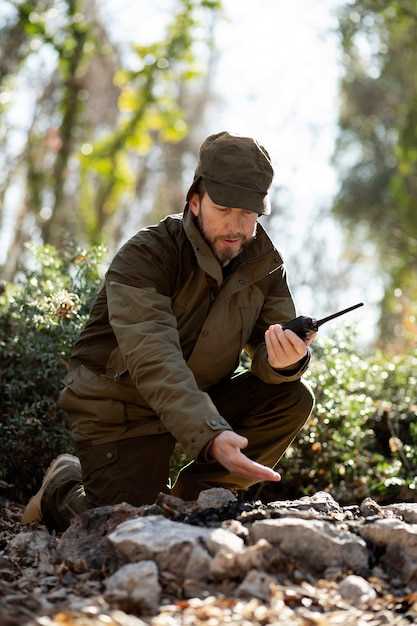
Mule deer are a unique species that exhibit distinct behaviors and inhabit specific environments. Knowing these aspects can significantly enhance your trophy mule deer hunt experience.
Behavioral characteristics of mule deer include:
- Social Structure: Mule deer are generally more solitary than other deer species. However, during the rutting season, they gather in groups to mate.
- Feeding Habits: They are primarily herbivorous and enjoy a diet of grasses, leaves, and shrubs. Understanding their feeding patterns is crucial for locating them during a hunt.
- Movement Patterns: Mule deer are crepuscular, meaning they are most active during dawn and dusk. This is when you are more likely to spot them during a hunt.
- Flight Response: When threatened, mule deer tend to freeze and then bound away. Understanding this behavior can help hunters remain undetected.
The habitats of mule deer are diverse, but they often prefer:
- Open Forests: They thrive in regions with a mix of trees and open ground, allowing them to easily spot predators.
- Mixed Woodlands: These environments provide both cover and food sources, making them ideal for deer movement.
- Mountainous Areas: Mule deer are well adapted to rocky terrains, where they can find safety and forage on vegetation.
- Meadows and Grasslands: These habitats offer abundant food and are often transitional areas between forests and more open spaces.
By understanding these behavioral traits and preferred habitats, hunters can better strategize their approach, increasing their chances of a successful trophy mule deer hunt.